Llama 2 is Meta’s open-weight large language model family, and it’s quickly become a solid option for teams working with language tasks. From summarization to code generation, it offers flexibility across sizes—7B, 13B, and 70B parameters. But performance isn’t just about model design. Hardware, deployment platforms, and inference optimization play a huge role, too.
That’s where Amazon SageMaker comes in. It’s built for training and serving models at scale, with minimal setup. In this article, we’ll look at Llama 2 on Amazon SageMaker as a benchmark—what to expect in terms of performance, setup effort, and flexibility when running Llama 2 in this environment.
Running Llama 2 on SageMaker isn’t plug-and-play, but it’s close. Amazon provides deep integration for Hugging Face models, which Llama 2 supports. Using the SageMaker Hugging Face container, you can launch an endpoint with just a few lines of Python using the Boto3 SDK or SageMaker Python SDK.
For inference, SageMaker supports both CPU and GPU instances; however, the GPU is where Llama 2 shines. Instances like ml.g5.12xlarge or ml.p4d.24xlarge are popular for low-latency performance, especially with the larger 13B and 70B variants. Container images with Deep Learning Containers (DLC) are optimized for fast startup times and throughput, and they support automatic model partitioning and tensor parallelism if you’re working with the largest Llama 2 variant.
One useful option is using SageMaker endpoints in asynchronous mode. This lets you send longer inputs and avoid timeout limits while still getting solid throughput by queueing requests. Auto-scaling is another plus—when traffic spikes, SageMaker can spin up new instances based on load without manual intervention.
Now, for the core part of Llama 2 on Amazon, SageMaker is a benchmark—how does it perform? Benchmarks show that the 7B model runs comfortably on a single ml.g5.2xlarge instance, hitting response times of under 300ms for prompts of around 100 tokens and outputs of around 200 tokens. For more complex use cases, such as summarizing long documents or generating code, the 13B and 70B models are more accurate but naturally require more time.
With the 13B model on a ml.g5.12xlarge, latency sits around 400–600ms per generation with batch size 1, and throughput increases significantly with batch size 4 or more. The 70B model is best handled with ml.p4d or ml.p5 instances, and these are expensive—but offer unmatched performance, especially when paired with DeepSpeed or Hugging Face’s text-generation-inference server, which supports speculative decoding and other tricks for faster response.
Cost depends on your batch size and usage pattern. For real-time generation, sticking with the 7B or 13B models is the best balance between performance and budget. For research or fine-tuning, spot instances with managed warm pools can reduce cost significantly, though these aren’t ideal for low-latency tasks.
Scalability is another area where SageMaker stands out. With endpoint autoscaling and multi-model endpoints, teams can deploy several variants or model versions under the same endpoint. This is helpful for A/B testing or switching between use cases, such as chat, summarization, or Q&A, without spinning up new infrastructure.
Running base models is fine for some tasks, but many teams want to fine-tune Llama 2 on domain-specific data. SageMaker supports this well. Using the Hugging Face Trainer or PEFT (Parameter-Efficient Fine-Tuning) libraries, you can run LoRA or QLoRA-based fine-tuning on Llama 2 with modest memory overhead.
For example, fine-tuning the 7B model using LoRA on a ml.g5.12xlarge with FP16 precision works smoothly and finishes in under 6 hours on small corpora (~100k samples). SageMaker Experiments and Debugger help track metrics, memory usage, and gradients during training, which is helpful for debugging and repeatability.
SageMaker Training Jobs allows distributed training across GPUs using DeepSpeed or FSDP (Fully Sharded Data Parallel), which is especially useful when working with the 13B or 70B models. Combined with checkpointing and spot recovery, you can keep costs low while maintaining training reliability.
Once trained, models can be deployed to endpoints directly from the SageMaker Model Registry. This keeps your workflows tight—no need to move weights between services or deal with manual packaging.
In benchmarks for Llama 2 on Amazon SageMaker a benchmark, the main takeaway is that the platform offers a good mix of performance and convenience. For teams building chatbots, content generation tools, or customer service automation, the 7B and 13B models are practical choices. Paired with SageMaker's real-time endpoint capabilities, the response time is fast enough for interactive apps.

SageMaker’s support for both inference and training workflows means you can build, iterate, and serve from a single environment. You don’t have to move between Colab for training and some other stack for production. And since Llama 2 runs under an open license (with some usage restrictions), it avoids some of the licensing issues that come with proprietary models.
From a reliability angle, SageMaker offers built-in monitoring, logging with CloudWatch, and automatic retries for endpoint failures. These features reduce the operational overhead and make it a fit for production scenarios, not just experiments.
Compared to other platforms, SageMaker stands out in three areas: flexible instance types, tight Hugging Face integration, and managed workflows for training and deployment. While you pay a bit more per hour than unmanaged alternatives like on-prem GPUs or raw EC2, the time saved in maintenance and scaling often makes up for it—especially for teams without a dedicated DevOps role.
Running Llama 2 on SageMaker hits a good balance between ease of use, scalability, and performance. Whether you’re spinning up an API for text generation or fine-tuning the model on internal data, the workflow is manageable without diving too deep into infrastructure setup. Performance is solid across all model sizes, especially when using the right GPU instances. And while cost can ramp up with the larger models, the flexibility SageMaker provides—autoscaling, batch processing, and fine-tuning support—makes it a strong platform for real-world use. When looking at Llama 2 on Amazon SageMaker as a benchmark, it's clear that SageMaker holds up well for both experimentation and deployment, offering a practical path from prototype to production.
CES 2026 highlights how AI is transforming consumer technology, from wearables to smart home systems, shaping more intuitive and personalized user experiences.
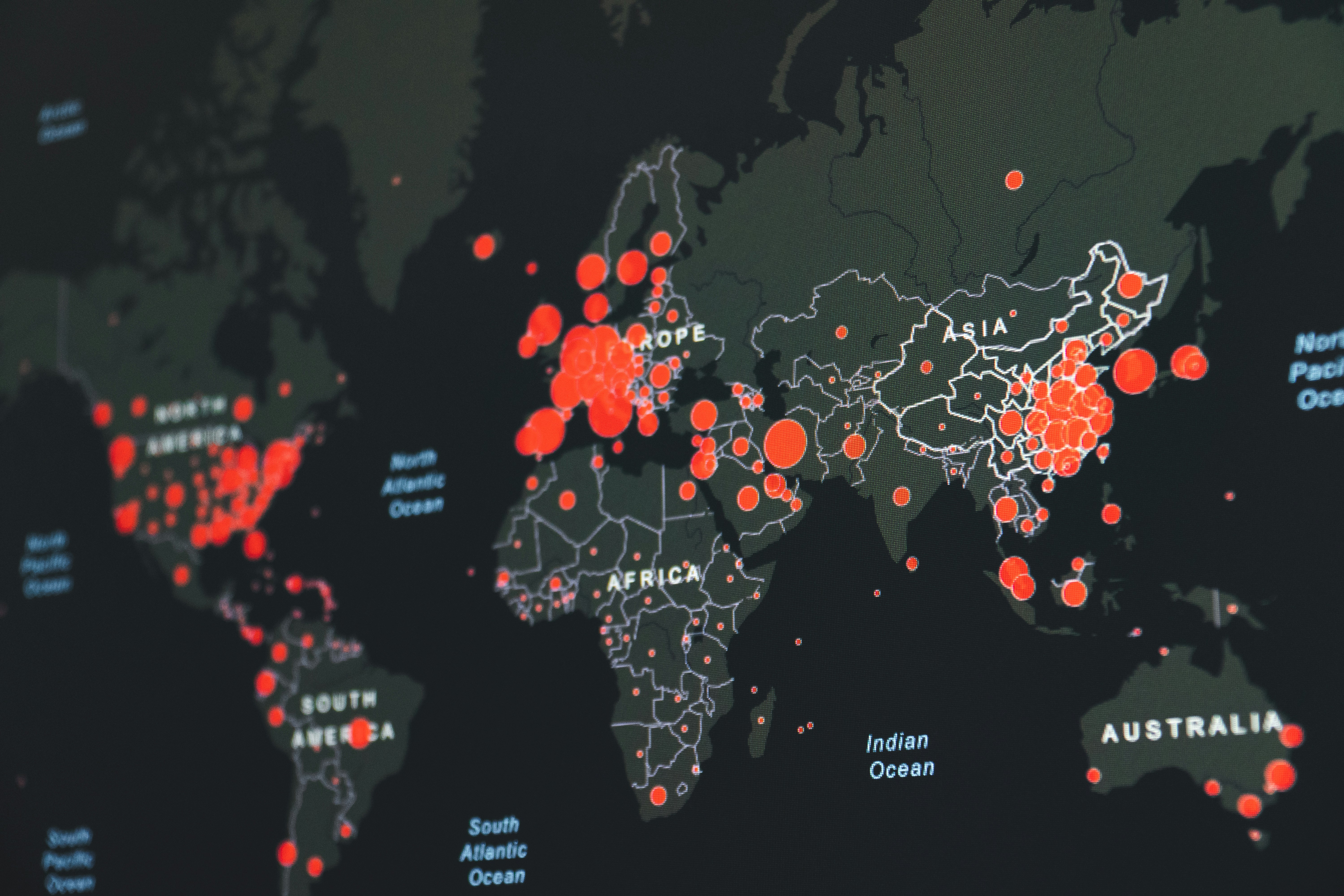
AI is driving global datacenter expansion and edge computing adoption. Learn how next-generation infrastructure supports scalable, low-latency AI workloads in 2026.

Enterprise AI adoption in 2026 is shifting from pilots to business-critical operations. Learn trends, challenges, and best practices.

CES 2026 is centered on AI, highlighting how smart devices and wearables will transform user experience.
Explore how edge computing enables real-time AI applications and why distributed systems are becoming essential.
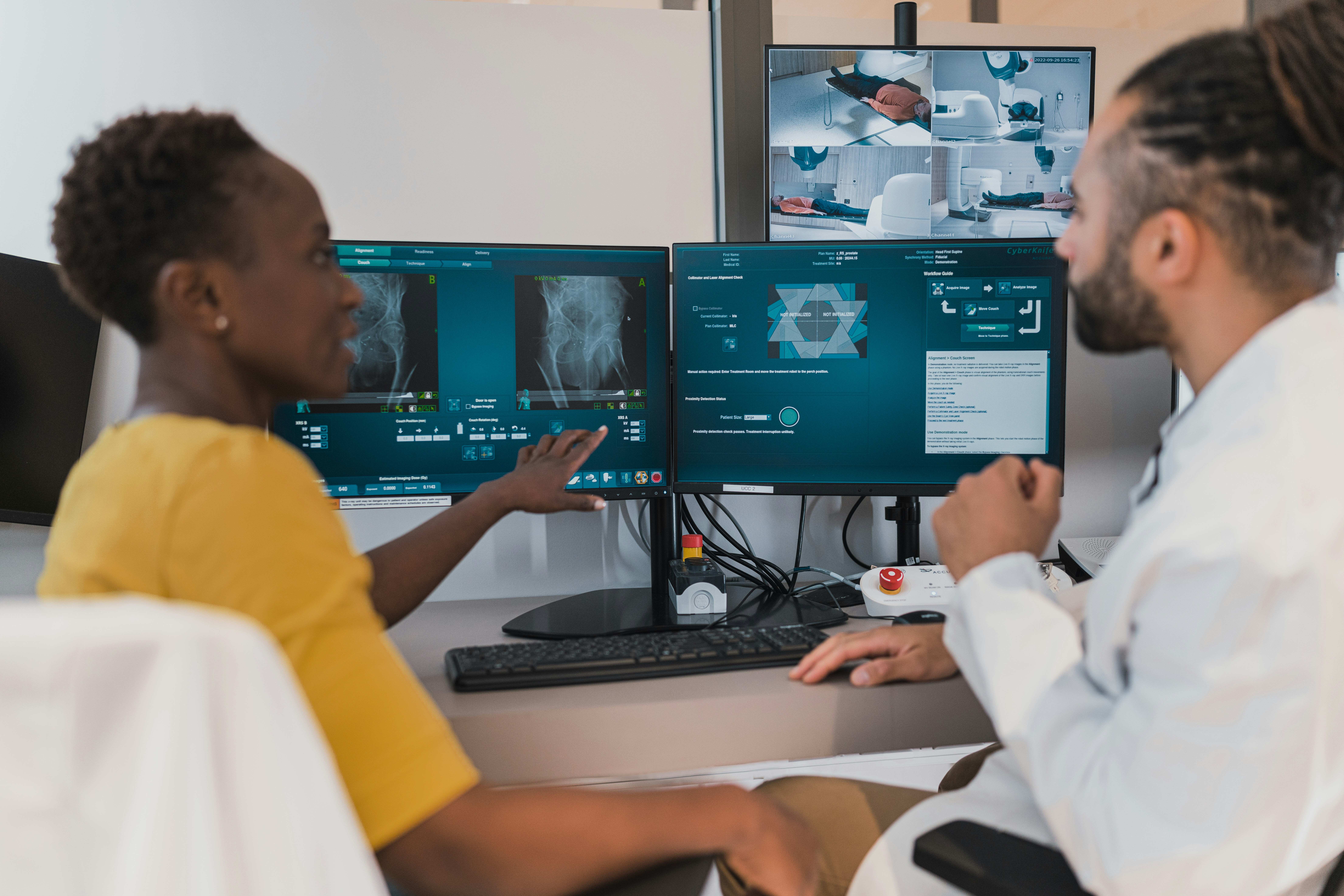
Discover how AI is reshaping healthcare operations, patient monitoring, and clinical decisions ethically and safely.
AI is transforming cybersecurity with real-time threat detection and automated defenses, but challenges remain.
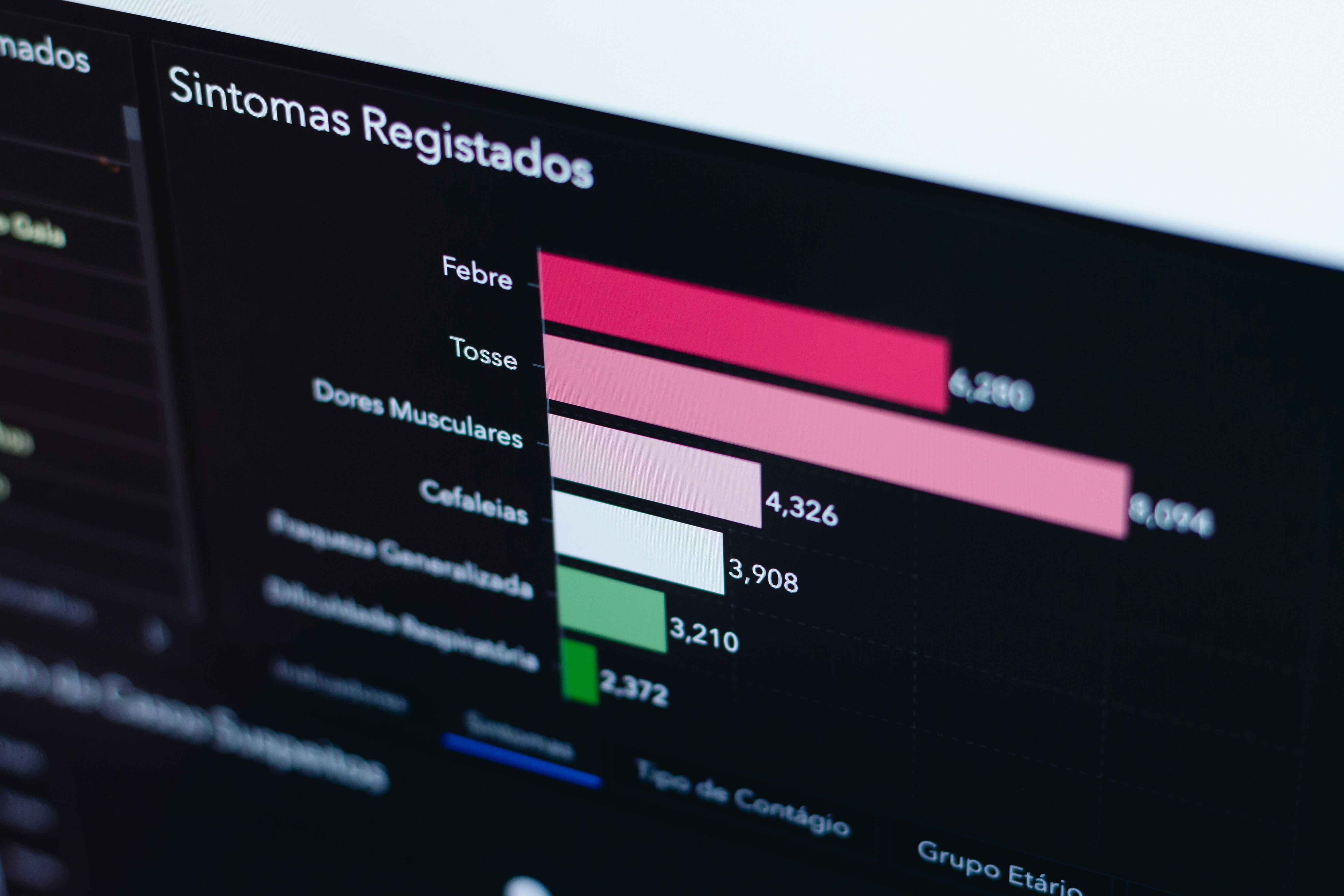
Explore how GPT models enhance productivity tools for business operations and collaboration.
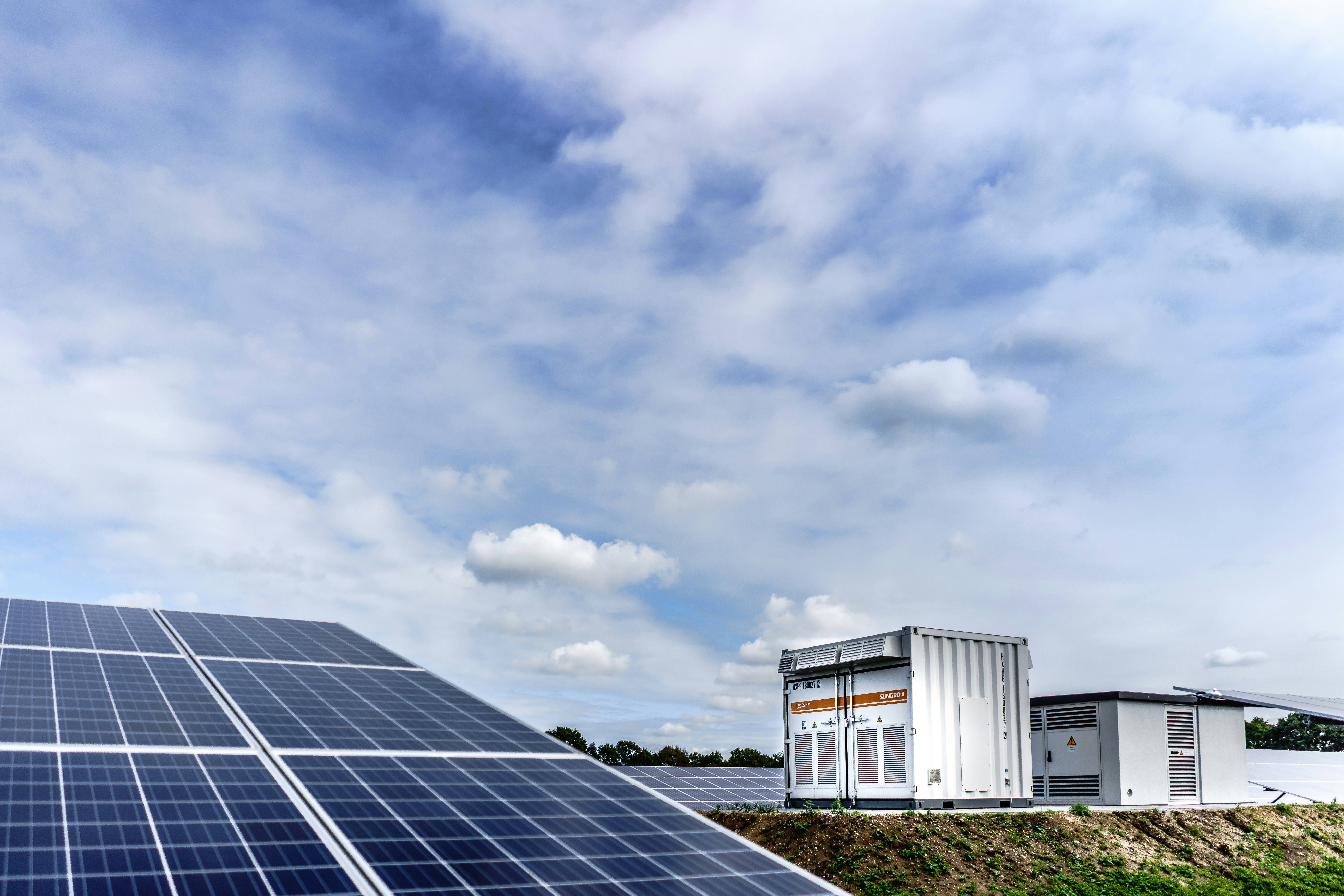
AI demand is driving sustainable data center innovation with renewable power and cooling technologies.
Discover consumer AI applications that streamline productivity, creativity, and daily routines.

AI ethics frameworks and regulatory trends shape how organizations innovate responsibly with intelligent systems.

Enterprise AI adoption in 2026 is moving beyond pilot programs into core business infrastructure. Learn where companies see real gains and what challenges remain.