Artificial intelligence is fundamentally reshaping how data infrastructure is designed and deployed. Traditional centralized cloud models are under pressure as AI workloads demand lower latency, regional compliance, and massive compute capacity.
To meet these demands, technology providers are accelerating datacenter expansion beyond legacy hubs, establishing new facilities closer to emerging markets and end users.

Regions such as Southeast Asia, India, the Middle East, and Latin America are becoming strategic infrastructure locations. These regions offer growing demand, favorable demographics, and increasing government support for digital transformation.
Local infrastructure reduces latency, supports data sovereignty requirements, and enables faster deployment of AI-powered services for regional businesses.
AI workloads are energy-intensive, forcing operators to rethink cooling, power sourcing, and efficiency. Sustainability is no longer optional—it is a competitive differentiator.
Datacenter operators are investing in renewable energy integration, advanced cooling systems, and workload optimization to balance performance with environmental responsibility.

Edge computing complements centralized infrastructure by processing data closer to its source. This model is essential for real-time applications such as autonomous systems, industrial automation, and smart cities.
By distributing AI inference workloads across edge nodes, organizations reduce latency and bandwidth costs while improving reliability.
For businesses, a distributed infrastructure landscape offers flexibility but also complexity. Success depends on choosing the right mix of cloud, regional datacenters, and edge deployments.
Developers who design applications with infrastructure awareness—latency sensitivity, data locality, and scalability—will be best positioned to thrive in the AI-driven economy.

CES 2026 highlights how AI is transforming consumer technology, from wearables to smart home systems, shaping more intuitive and personalized user experiences.
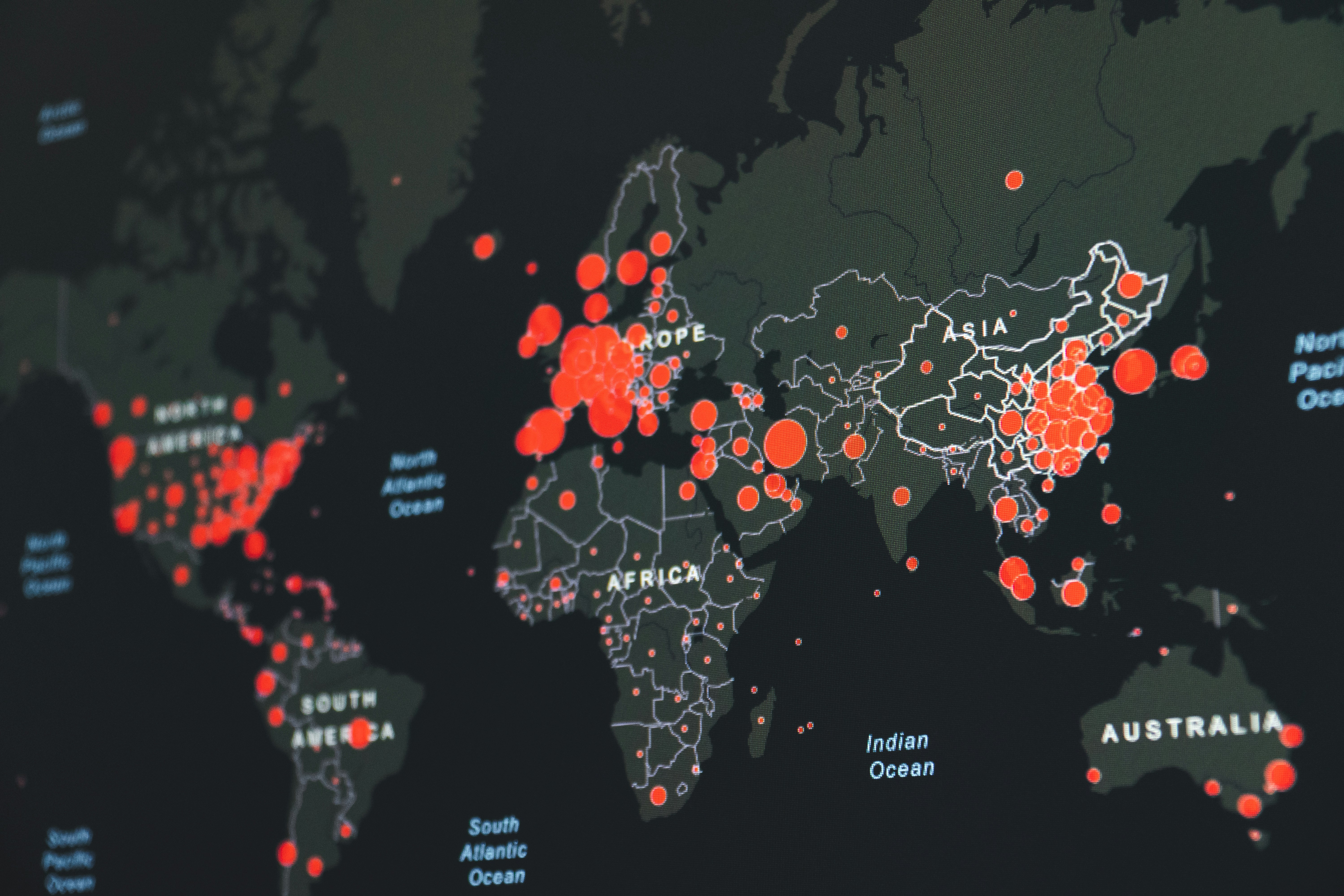
AI is driving global datacenter expansion and edge computing adoption. Learn how next-generation infrastructure supports scalable, low-latency AI workloads in 2026.

Enterprise AI adoption in 2026 is shifting from pilots to business-critical operations. Learn trends, challenges, and best practices.

CES 2026 is centered on AI, highlighting how smart devices and wearables will transform user experience.
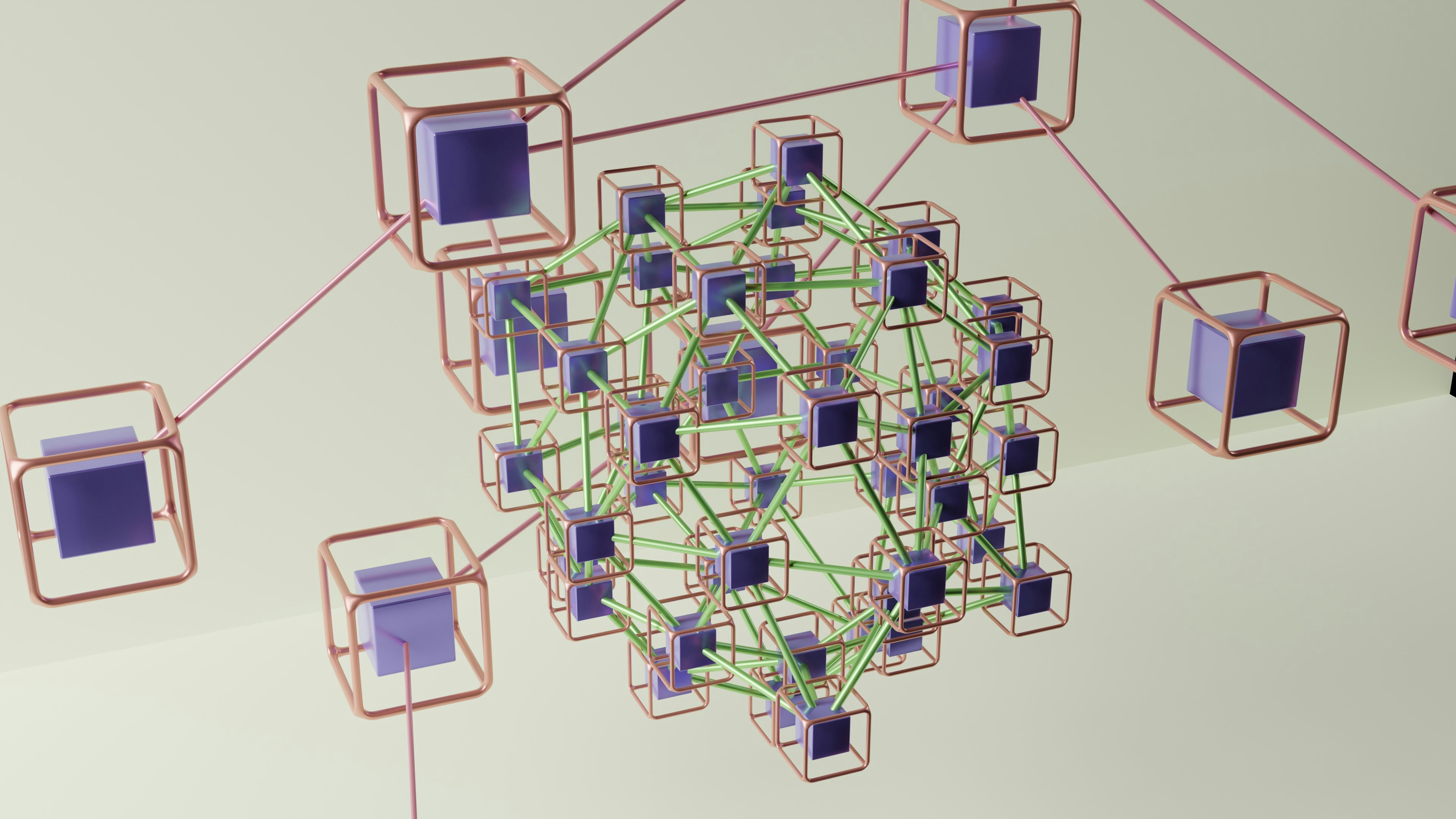
Explore how edge computing enables real-time AI applications and why distributed systems are becoming essential.

Discover how AI is reshaping healthcare operations, patient monitoring, and clinical decisions ethically and safely.

AI is transforming cybersecurity with real-time threat detection and automated defenses, but challenges remain.

Explore how GPT models enhance productivity tools for business operations and collaboration.
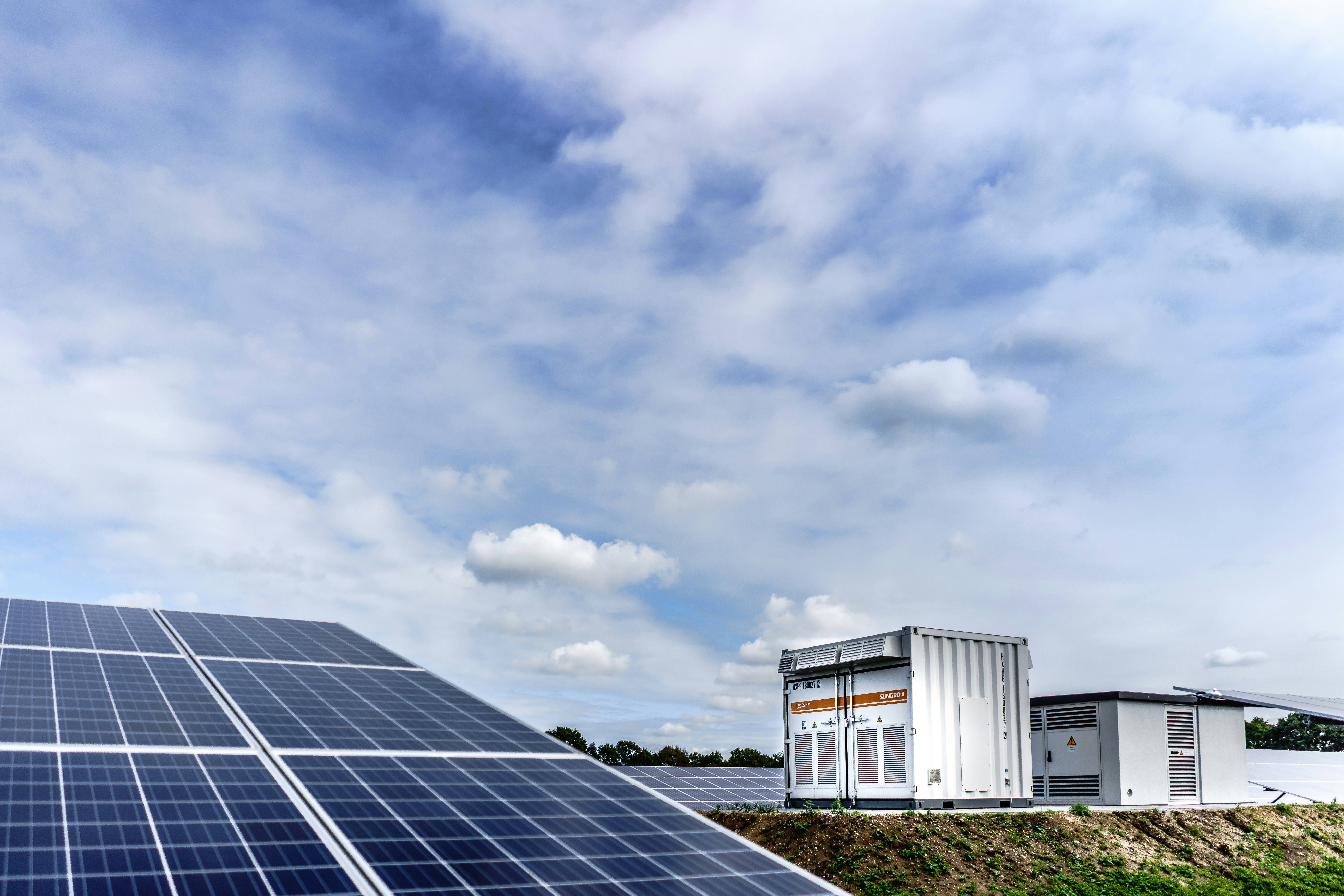
AI demand is driving sustainable data center innovation with renewable power and cooling technologies.

Discover consumer AI applications that streamline productivity, creativity, and daily routines.

AI ethics frameworks and regulatory trends shape how organizations innovate responsibly with intelligent systems.

Enterprise AI adoption in 2026 is moving beyond pilot programs into core business infrastructure. Learn where companies see real gains and what challenges remain.