CES has always been a barometer for consumer technology trends, but CES 2026 represents something different. Instead of showcasing isolated innovations, the industry is converging around a single theme: artificial intelligence as a foundational layer across devices, platforms, and user experiences.
Unlike earlier AI hype cycles, the focus is no longer on novelty features. Manufacturers are emphasizing reliability, personalization, and real-world usefulness—key factors that determine long-term consumer adoption.
Wearable technology is expected to dominate CES 2026 headlines. Smart glasses, health-focused earbuds, and AI-enhanced watches are evolving from passive trackers into context-aware companions. These devices interpret behavioral patterns, environmental signals, and biometric data to deliver proactive assistance.
Rather than overwhelming users with notifications, next-generation wearables prioritize relevance—surfacing information only when it adds value. This shift reflects a broader industry understanding that user trust is as important as technical capability.

Another major trend is the redesign of user interfaces around AI-driven interaction models. Voice, gesture, and predictive interfaces are replacing rigid menu-based navigation. Systems increasingly anticipate user intent instead of waiting for explicit commands.
This evolution is particularly visible in smart home ecosystems, where AI coordinates lighting, climate, entertainment, and security based on behavioral routines. The result is technology that adapts quietly in the background rather than demanding constant attention.
Several factors are aligning to make consumer AI viable at scale: improved on-device processing, stronger privacy controls, and better integration across ecosystems. Consumers are also more familiar with AI concepts, reducing friction during adoption.
CES 2026 is less about futuristic promises and more about refinement—making AI dependable, intuitive, and invisible in everyday life.
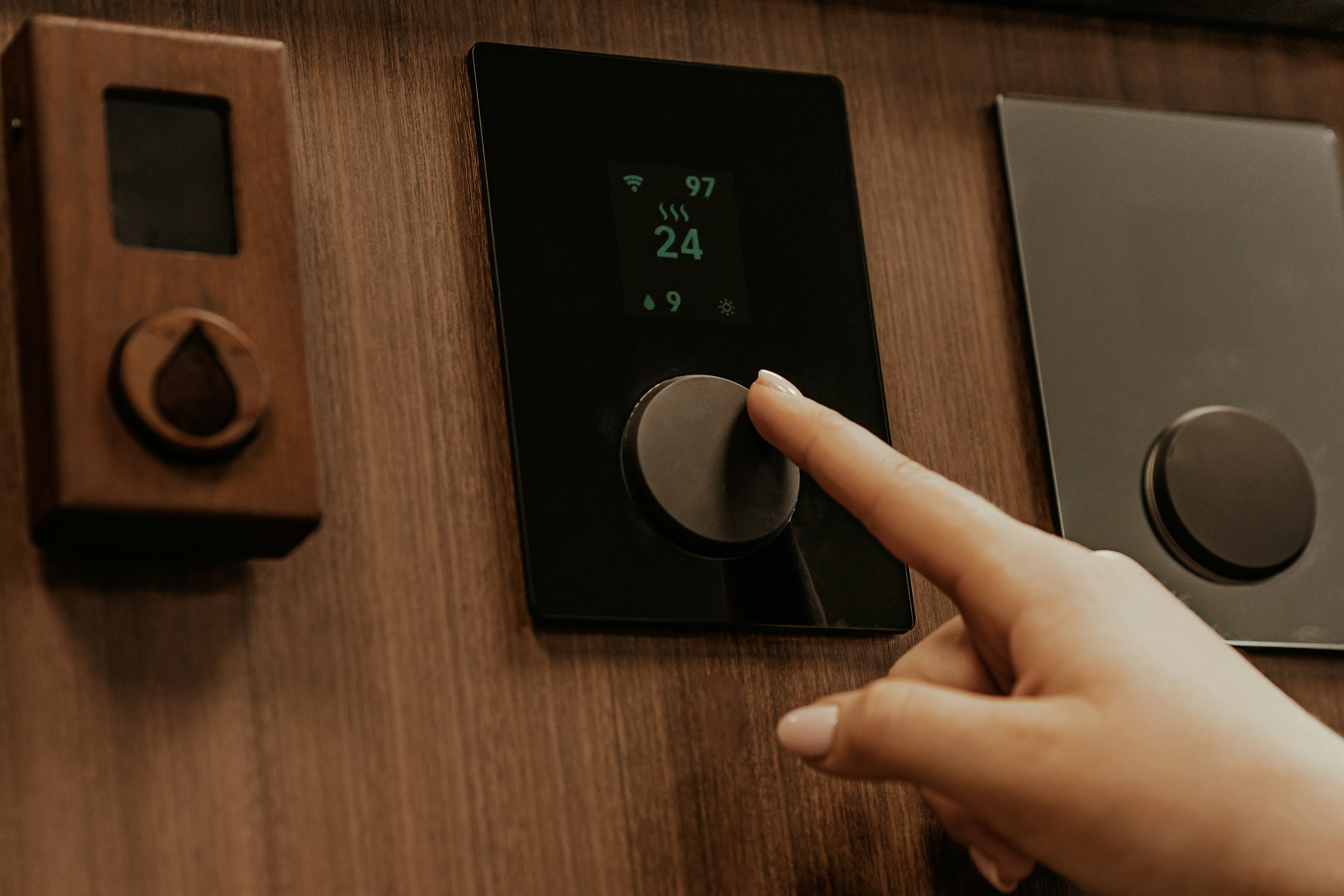
As AI becomes embedded across consumer products, differentiation will shift from hardware specifications to experience quality. Companies that prioritize usability, transparency, and long-term support are likely to gain sustained market trust beyond the CES spotlight.

CES 2026 highlights how AI is transforming consumer technology, from wearables to smart home systems, shaping more intuitive and personalized user experiences.

AI is driving global datacenter expansion and edge computing adoption. Learn how next-generation infrastructure supports scalable, low-latency AI workloads in 2026.

Enterprise AI adoption in 2026 is shifting from pilots to business-critical operations. Learn trends, challenges, and best practices.

CES 2026 is centered on AI, highlighting how smart devices and wearables will transform user experience.
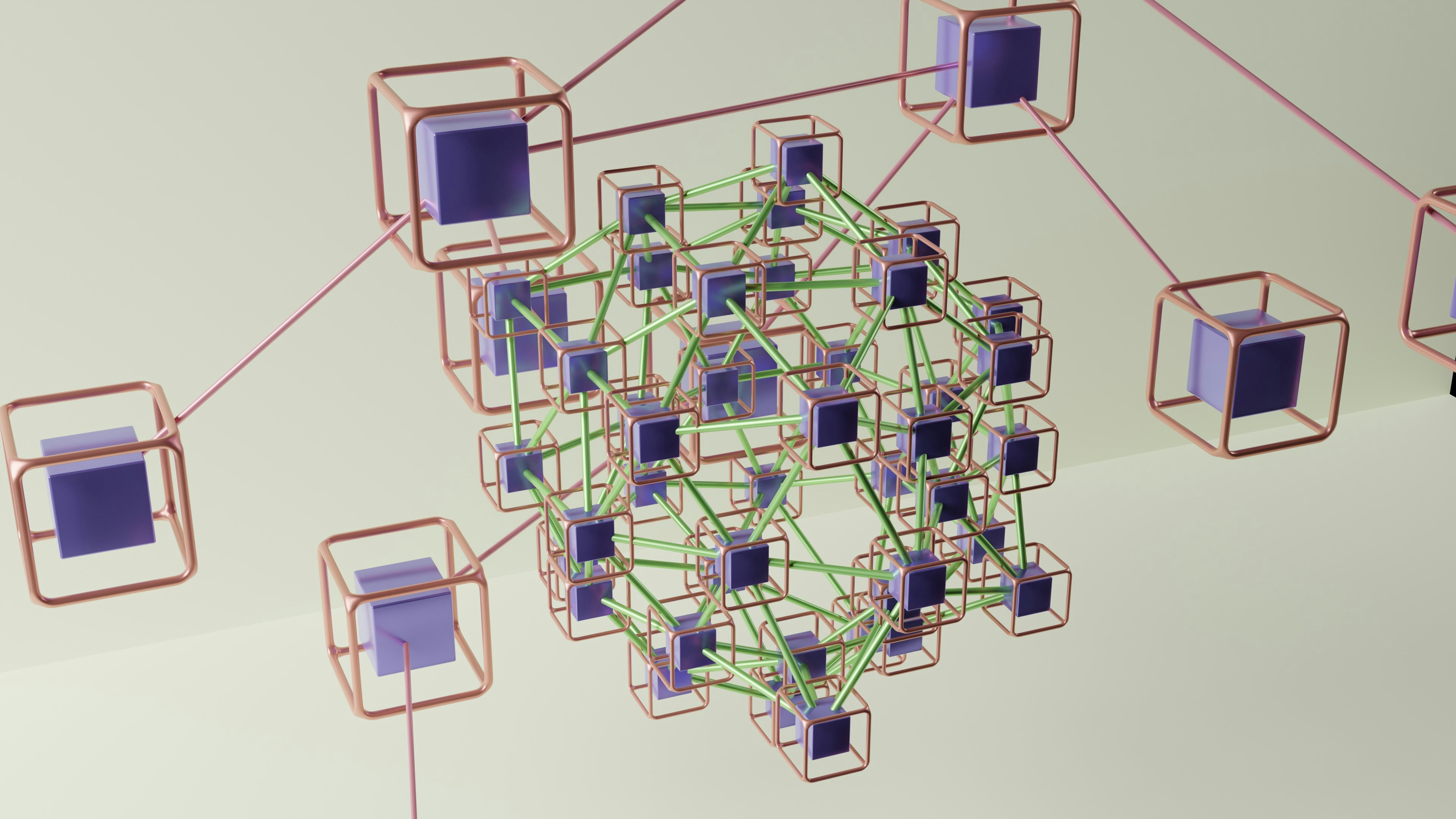
Explore how edge computing enables real-time AI applications and why distributed systems are becoming essential.

Discover how AI is reshaping healthcare operations, patient monitoring, and clinical decisions ethically and safely.
AI is transforming cybersecurity with real-time threat detection and automated defenses, but challenges remain.

Explore how GPT models enhance productivity tools for business operations and collaboration.

AI demand is driving sustainable data center innovation with renewable power and cooling technologies.
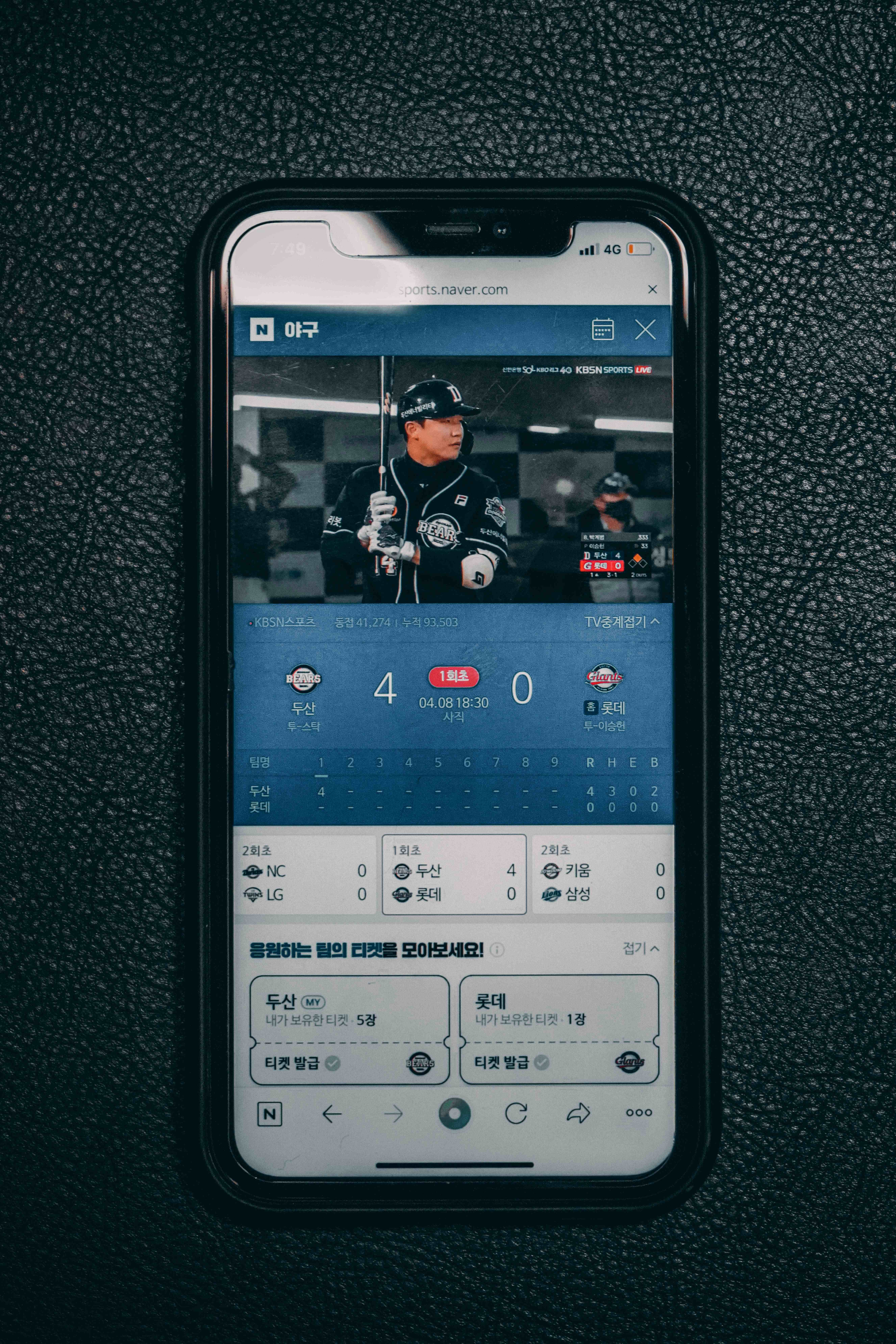
Discover consumer AI applications that streamline productivity, creativity, and daily routines.

AI ethics frameworks and regulatory trends shape how organizations innovate responsibly with intelligent systems.

Enterprise AI adoption in 2026 is moving beyond pilot programs into core business infrastructure. Learn where companies see real gains and what challenges remain.