For much of the past decade, artificial intelligence inside enterprises existed primarily in controlled pilot environments. Innovation teams tested models in isolation, often disconnected from core business systems. As 2026 approaches, that separation is disappearing.
Enterprises are now integrating AI directly into operational workflows—finance, engineering, customer support, and logistics. This shift reflects a broader realization: AI is no longer a competitive experiment but a foundational layer of modern digital operations.
From an operational perspective, organizations are under pressure to move faster, reduce manual processes, and make better use of fragmented data. AI has become one of the few technologies capable of addressing all three simultaneously.
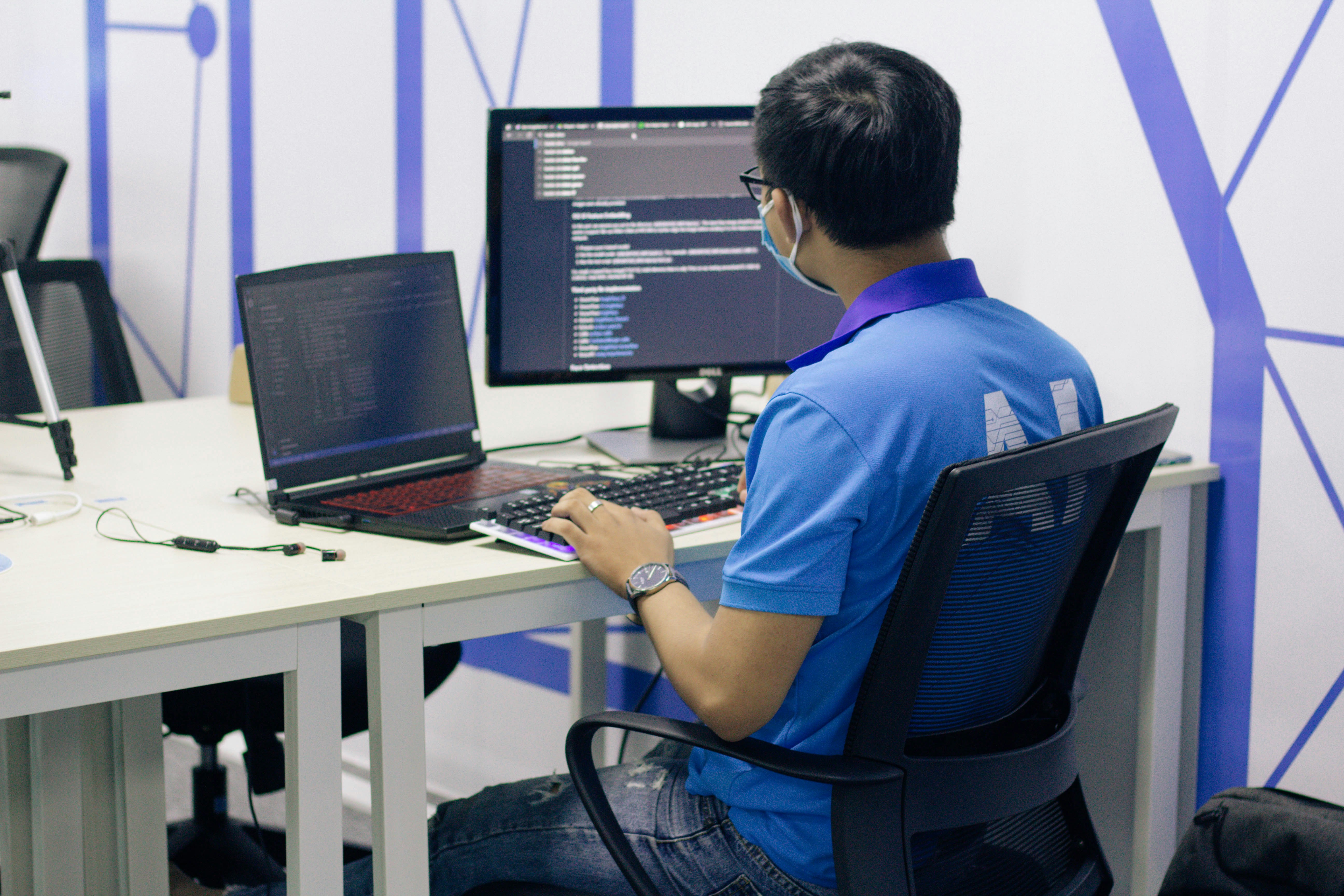
In software development, AI-assisted coding tools are reducing development cycles and lowering the barrier for maintaining legacy systems. Teams report fewer repetitive tasks and improved focus on architectural decisions rather than syntax-level implementation.
Customer service operations have also matured significantly. AI-driven triage systems now resolve a substantial percentage of routine inquiries without escalation, allowing human agents to focus on complex, high-value interactions.
Across finance and operations, AI-powered analytics platforms surface trends faster than traditional reporting pipelines. This speed advantage enables leadership teams to act on insights in near real time rather than relying on retrospective analysis.
Despite these gains, enterprise AI adoption is rarely frictionless. Many organizations underestimate the complexity of integrating models with existing data infrastructure. Inconsistent data quality, unclear ownership, and siloed systems remain common obstacles.
Governance is another major challenge. Without clear policies around model updates, monitoring, and accountability, AI systems can quickly become opaque and difficult to trust. Leading enterprises address this by centralizing AI oversight rather than distributing responsibility across departments.
Training and organizational alignment also matter. AI tools are most effective when employees understand both their capabilities and their limitations. Companies that invest in workforce enablement consistently report better outcomes.

One of the most significant mindset shifts in 2026 is how enterprises categorize AI spending. Rather than treating AI as a feature or optional add-on, organizations increasingly view it as infrastructure—similar to cloud platforms or cybersecurity systems.
This perspective influences procurement decisions, budgeting cycles, and long-term strategy. AI investments are evaluated based on durability, scalability, and integration potential rather than short-term novelty.
Looking ahead, the gap between AI-mature organizations and late adopters is likely to widen. Enterprises that embed AI deeply into workflows will benefit from compounding efficiency gains, while others may struggle to retrofit intelligence into outdated systems.
The enterprise AI story in 2026 is less about breakthrough models and more about disciplined execution—aligning technology, governance, and people around sustained value creation.

CES 2026 highlights how AI is transforming consumer technology, from wearables to smart home systems, shaping more intuitive and personalized user experiences.
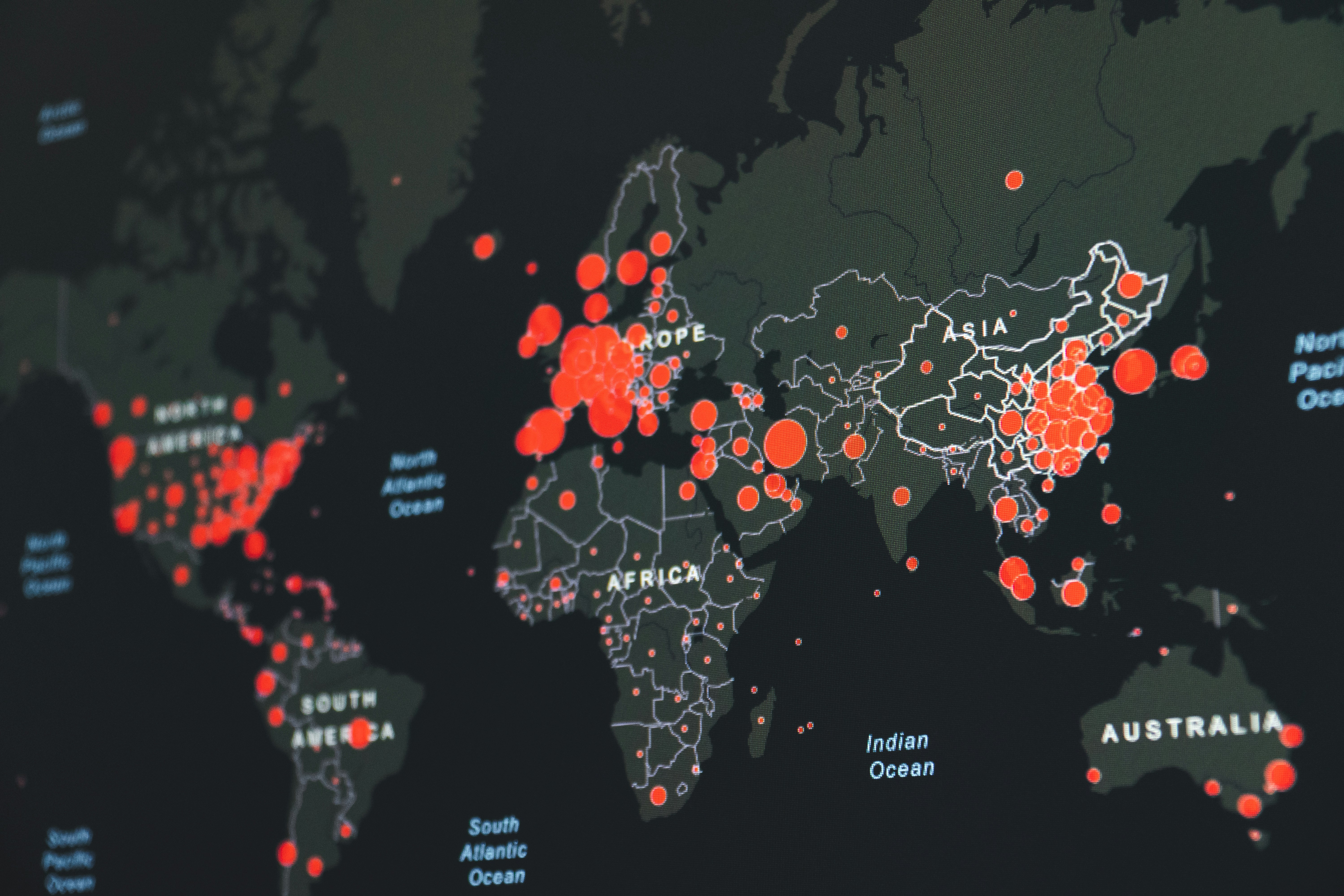
AI is driving global datacenter expansion and edge computing adoption. Learn how next-generation infrastructure supports scalable, low-latency AI workloads in 2026.

Enterprise AI adoption in 2026 is shifting from pilots to business-critical operations. Learn trends, challenges, and best practices.

CES 2026 is centered on AI, highlighting how smart devices and wearables will transform user experience.
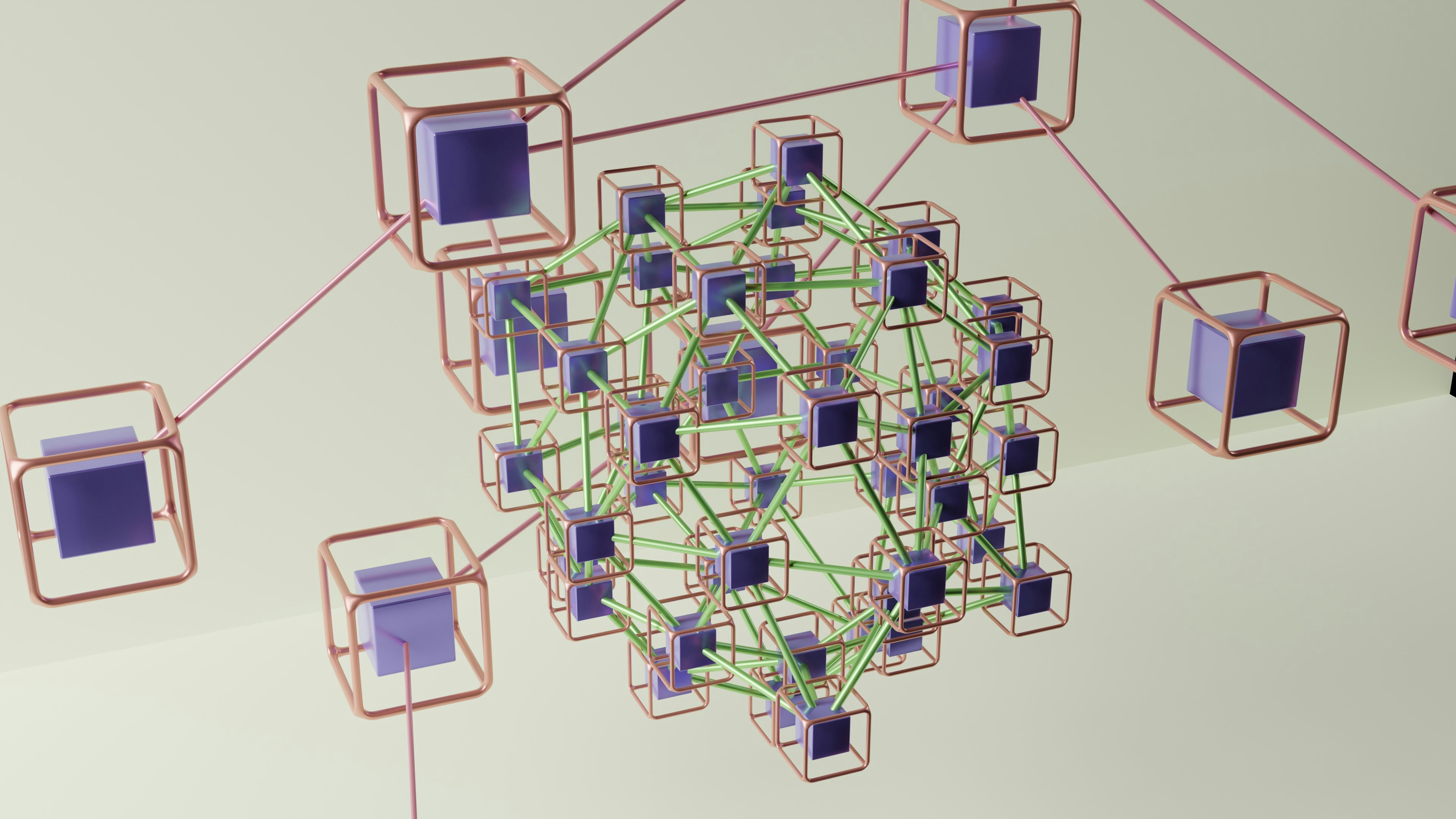
Explore how edge computing enables real-time AI applications and why distributed systems are becoming essential.
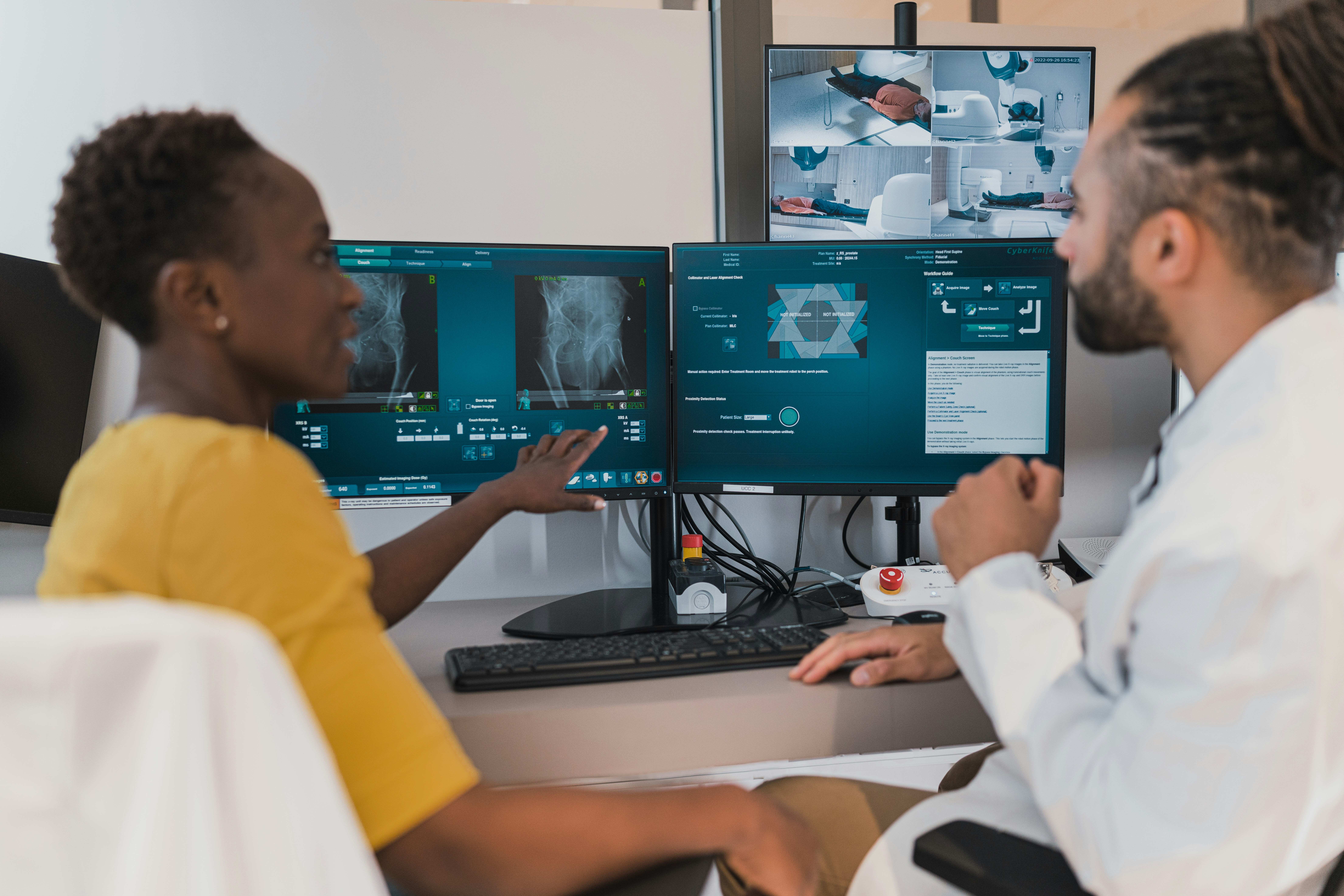
Discover how AI is reshaping healthcare operations, patient monitoring, and clinical decisions ethically and safely.

AI is transforming cybersecurity with real-time threat detection and automated defenses, but challenges remain.
Explore how GPT models enhance productivity tools for business operations and collaboration.

AI demand is driving sustainable data center innovation with renewable power and cooling technologies.

Discover consumer AI applications that streamline productivity, creativity, and daily routines.

AI ethics frameworks and regulatory trends shape how organizations innovate responsibly with intelligent systems.

Enterprise AI adoption in 2026 is moving beyond pilot programs into core business infrastructure. Learn where companies see real gains and what challenges remain.