For several years, artificial intelligence lived on the edges of enterprise strategy—tested in pilot programs, innovation labs, or isolated departments. Heading into 2026, that phase is decisively over. AI is now embedded into core business operations, delivering measurable results rather than theoretical promise.
Enterprises are no longer asking whether to adopt AI, but how fast they can scale it responsibly. This shift marks a structural change in how companies view technology investment: AI is becoming infrastructure, not experimentation.

Recent enterprise deployments show tangible performance improvements across multiple functions. Software teams report shorter development cycles due to AI-assisted coding and automated testing. Customer service operations benefit from AI-driven triage systems that resolve routine inquiries without human escalation.
In operations and finance, AI-powered analytics tools now surface insights in real time, enabling faster decision-making and reducing reliance on manual reporting. These gains are not incremental—they directly impact cost efficiency, output velocity, and organizational agility.
What distinguishes the current wave of enterprise AI is its integration into daily workflows. AI copilots embedded in productivity suites assist with drafting, summarization, forecasting, and internal knowledge retrieval.
Rather than replacing employees, these systems reduce cognitive overhead. Workers spend less time searching for information and more time acting on it. The result is a subtle but powerful transformation of how knowledge work is performed at scale.

Despite rapid progress, AI adoption introduces new complexities. Data governance, model reliability, and internal alignment remain significant challenges. Enterprises that move too quickly without clear accountability structures risk fragmented systems and inconsistent outcomes.
Leading organizations mitigate these risks by establishing centralized AI governance teams, defining success metrics tied to business outcomes, and investing heavily in workforce upskilling rather than pure automation.
By 2026, AI will no longer be judged as a novelty or productivity add-on. It will be evaluated as a strategic asset—on par with cloud infrastructure or cybersecurity. Enterprises that treat AI as core infrastructure will gain durable competitive advantages, while laggards may struggle to catch up.

CES 2026 highlights how AI is transforming consumer technology, from wearables to smart home systems, shaping more intuitive and personalized user experiences.
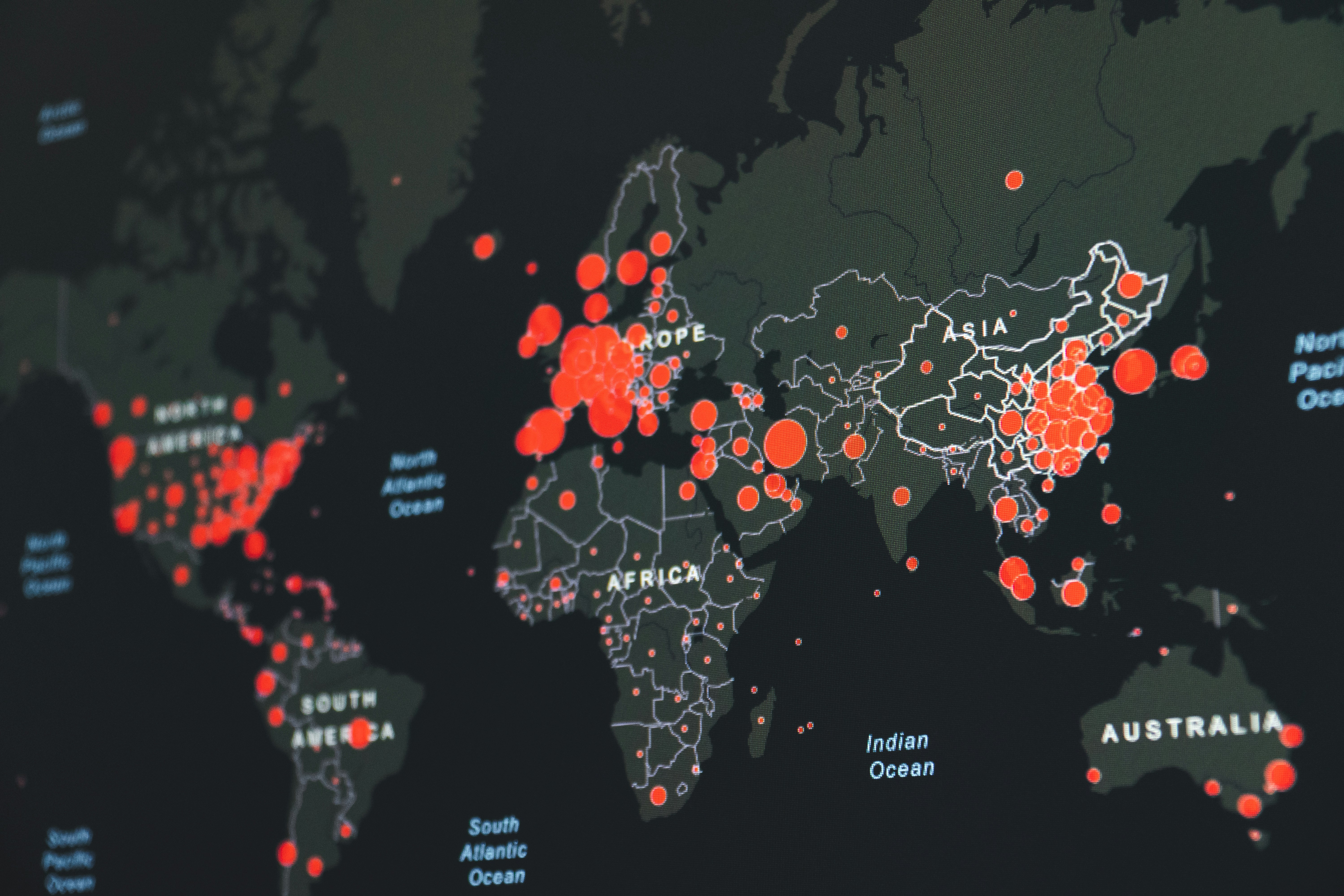
AI is driving global datacenter expansion and edge computing adoption. Learn how next-generation infrastructure supports scalable, low-latency AI workloads in 2026.

Enterprise AI adoption in 2026 is shifting from pilots to business-critical operations. Learn trends, challenges, and best practices.

CES 2026 is centered on AI, highlighting how smart devices and wearables will transform user experience.
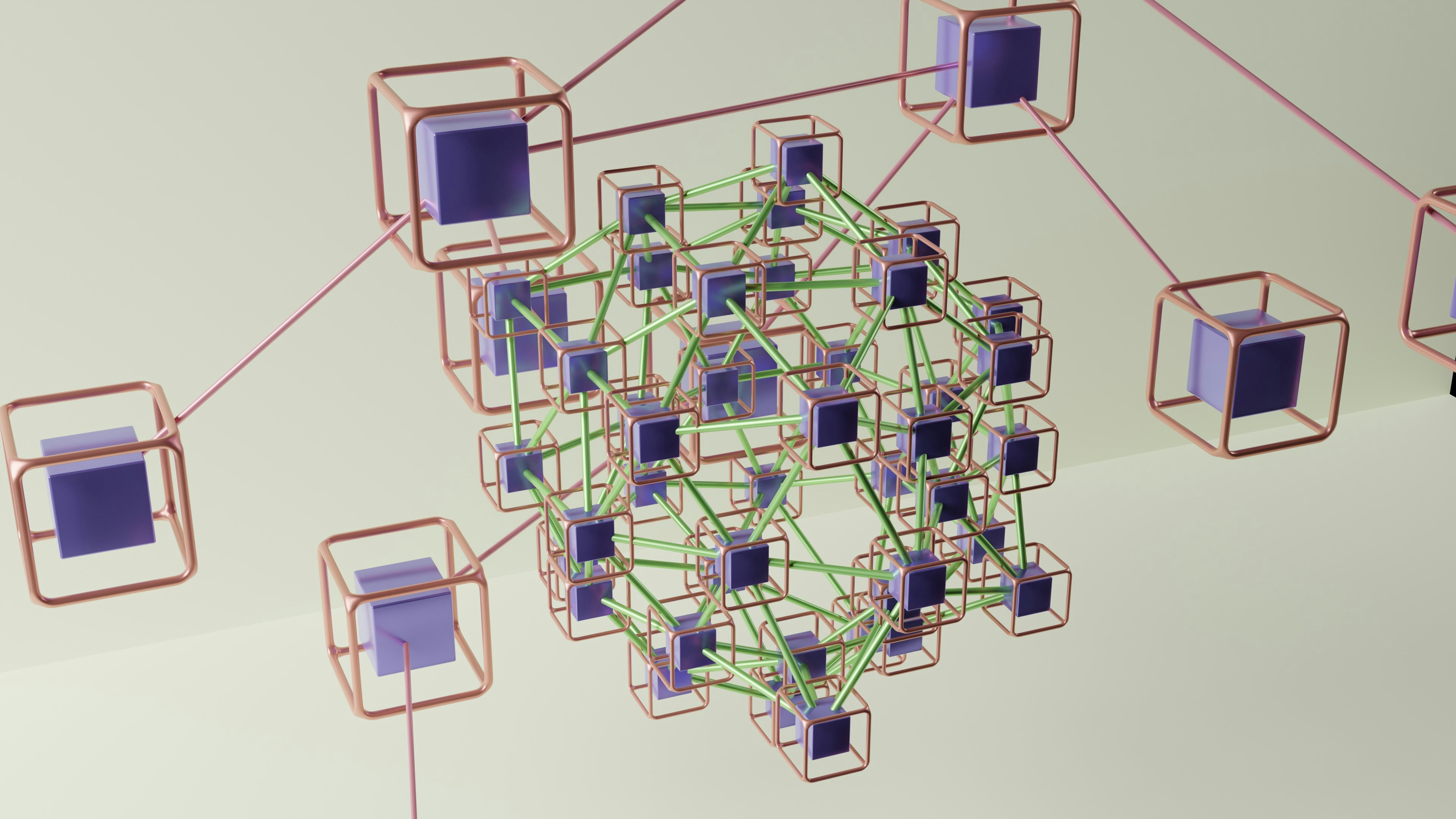
Explore how edge computing enables real-time AI applications and why distributed systems are becoming essential.

Discover how AI is reshaping healthcare operations, patient monitoring, and clinical decisions ethically and safely.

AI is transforming cybersecurity with real-time threat detection and automated defenses, but challenges remain.

Explore how GPT models enhance productivity tools for business operations and collaboration.
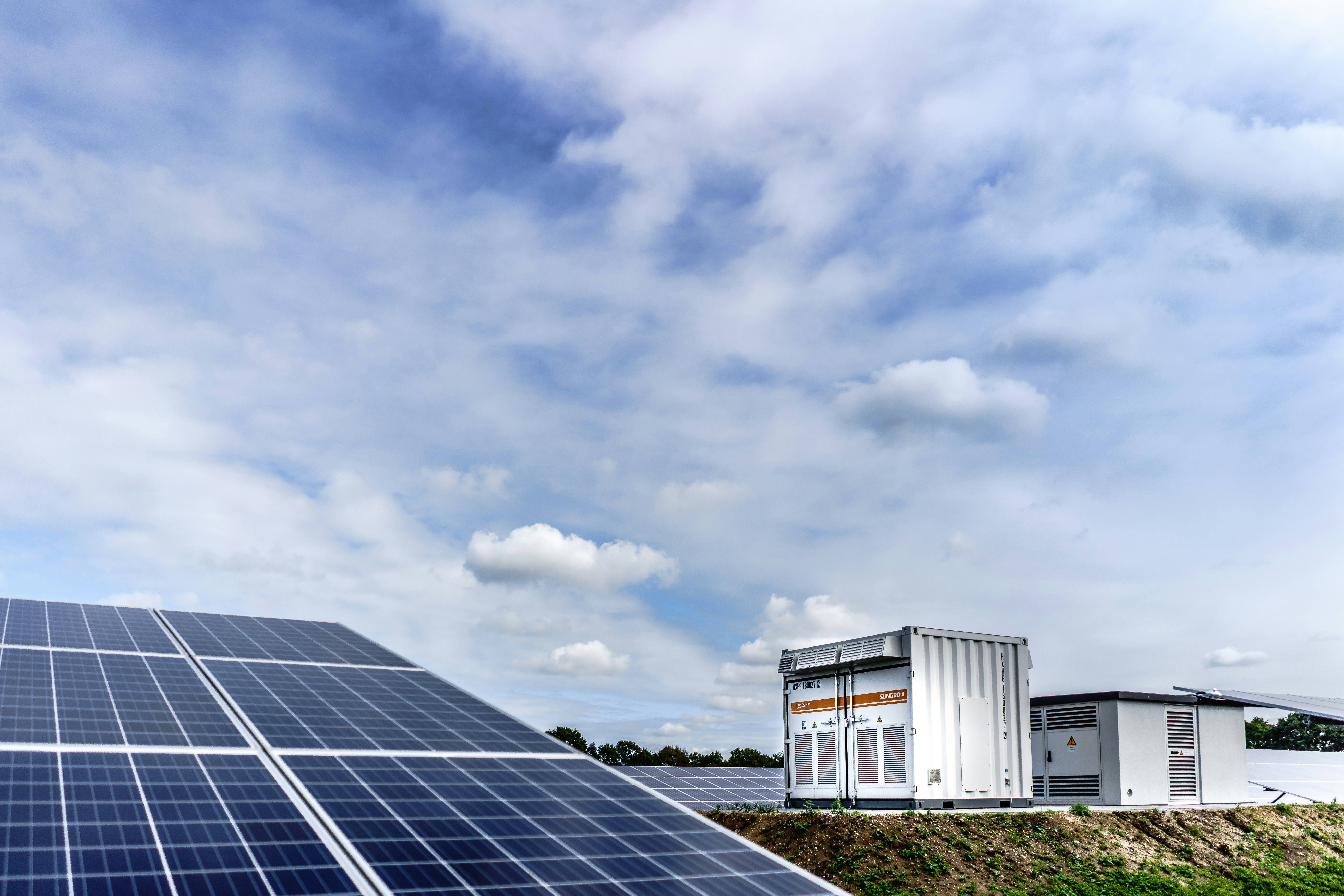
AI demand is driving sustainable data center innovation with renewable power and cooling technologies.

Discover consumer AI applications that streamline productivity, creativity, and daily routines.

AI ethics frameworks and regulatory trends shape how organizations innovate responsibly with intelligent systems.

Enterprise AI adoption in 2026 is moving beyond pilot programs into core business infrastructure. Learn where companies see real gains and what challenges remain.