Advertisement
Cloud computing has powered AI growth for years, but latency, bandwidth costs, and reliability issues limit its effectiveness in real-time applications. As AI becomes embedded in everyday systems, processing data exclusively in centralized data centers is no longer practical.
Edge computing addresses these challenges by enabling AI inference closer to where data is generated, reducing response times and dependence on constant connectivity.
Industries such as manufacturing, transportation, and retail increasingly rely on edge AI for immediate decision-making. Autonomous machines, smart cameras, and IoT devices must analyze data locally to function safely and efficiently.
Edge AI allows systems to respond within milliseconds, a requirement that cloud-only architectures cannot reliably meet.

Deploying AI at the edge introduces complexity. Hardware diversity, security risks, and limited compute resources require optimized models and careful lifecycle management.
Organizations address these issues through lightweight models, centralized orchestration, and secure update mechanisms.
Processing data locally reduces the need to transmit sensitive information to the cloud. This improves privacy compliance and lowers exposure to data breaches.
For regulated industries, this architectural shift is especially attractive.

As hardware becomes more capable and AI models more efficient, edge computing will become a standard component of enterprise AI strategies rather than a specialized optimization.

CES 2026 highlights how AI is transforming consumer technology, from wearables to smart home systems, shaping more intuitive and personalized user experiences.

AI is driving global datacenter expansion and edge computing adoption. Learn how next-generation infrastructure supports scalable, low-latency AI workloads in 2026.

Enterprise AI adoption in 2026 is shifting from pilots to business-critical operations. Learn trends, challenges, and best practices.

CES 2026 is centered on AI, highlighting how smart devices and wearables will transform user experience.
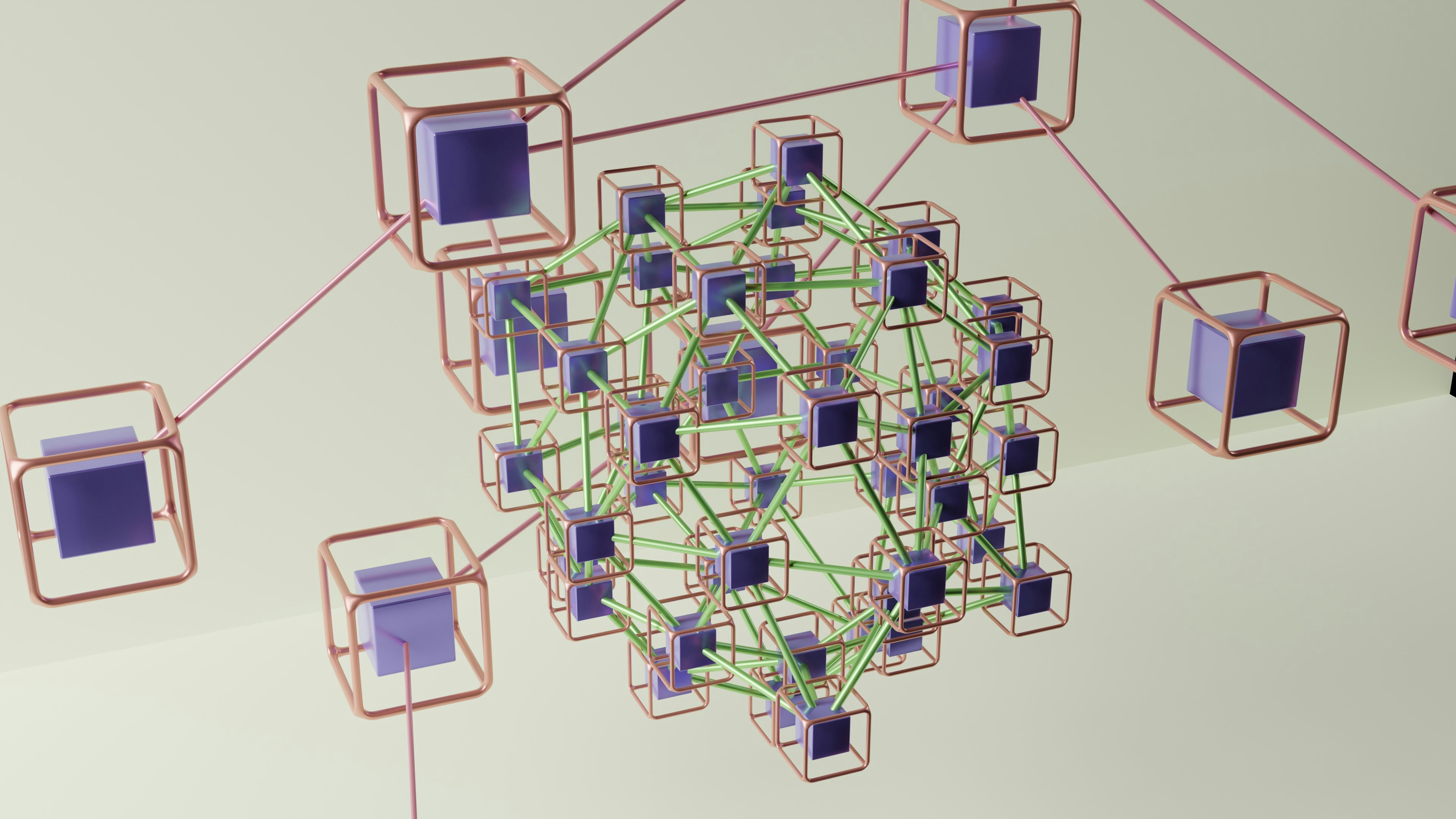
Explore how edge computing enables real-time AI applications and why distributed systems are becoming essential.
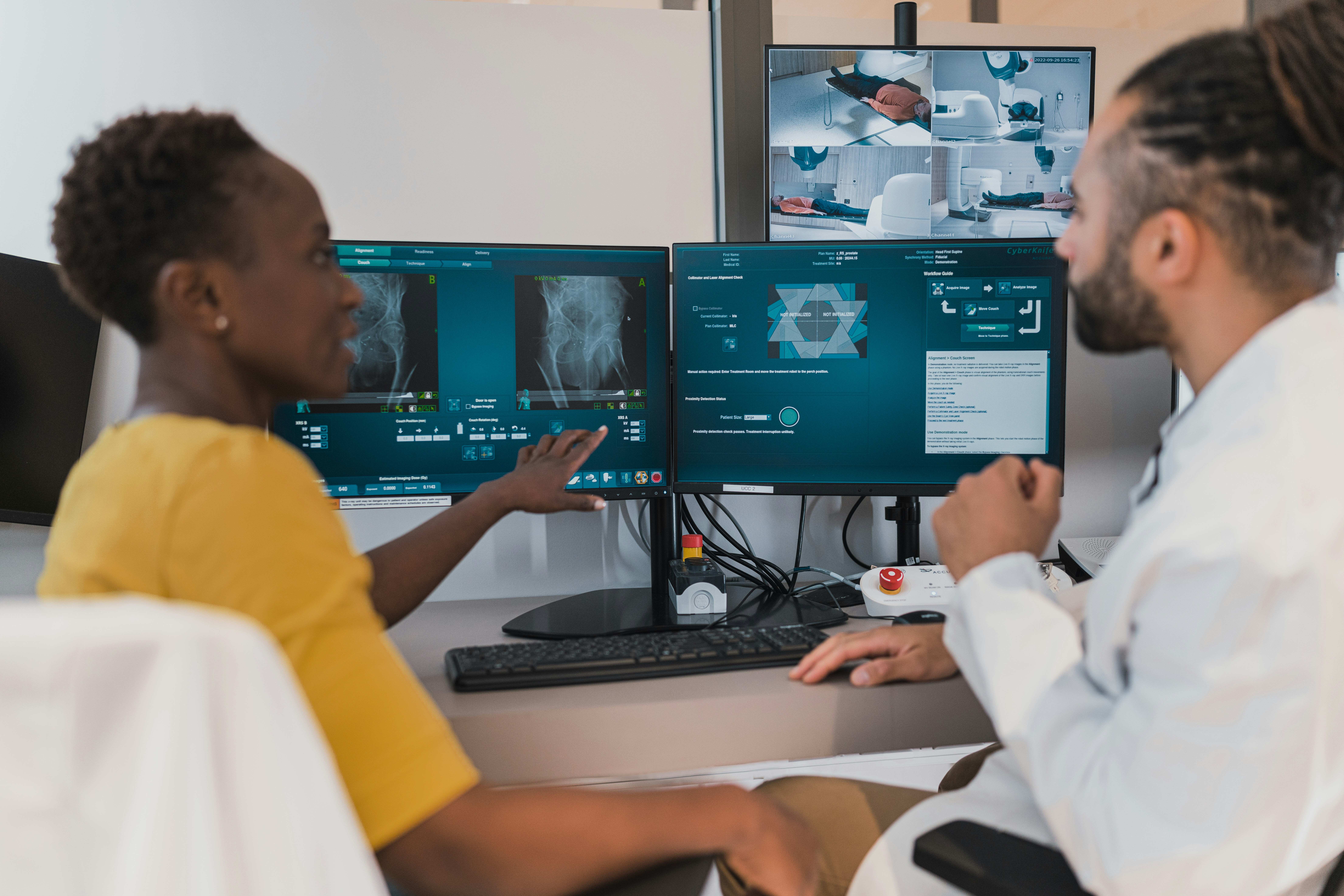
Discover how AI is reshaping healthcare operations, patient monitoring, and clinical decisions ethically and safely.

AI is transforming cybersecurity with real-time threat detection and automated defenses, but challenges remain.

Explore how GPT models enhance productivity tools for business operations and collaboration.

AI demand is driving sustainable data center innovation with renewable power and cooling technologies.

Discover consumer AI applications that streamline productivity, creativity, and daily routines.

AI ethics frameworks and regulatory trends shape how organizations innovate responsibly with intelligent systems.

Enterprise AI adoption in 2026 is moving beyond pilot programs into core business infrastructure. Learn where companies see real gains and what challenges remain.