For years, the narrative of artificial intelligence has been dominated by a single, daunting metric: scale. The race seemed to belong to those who could assemble the largest clusters of GPUs, consume the most energy, and spend the most money. In early 2025, that narrative was decisively challenged. DeepSeek-R1, an open-source large language model from China, made global headlines not for its unprecedented size, but for its astonishing efficiency. Its peer-reviewed breakthrough, featured on the cover of Nature, demonstrated that superior reasoning capability could be achieved at a fraction of the expected cost—reportedly just $294,000 for training.
This isn't merely a cheaper model; it's a paradigm shift. DeepSeek-R1's core innovation lies in its "pure reinforcement learning" methodology. Unlike the standard approach of pre-training on vast text corpora followed by fine-tuning, DeepSeek-R1 was primarily shaped through algorithms learning from interactions and feedback. This reduces reliance on sheer data volume, focusing instead on the quality of learning signals. The result is a model that excels in logical reasoning and coding tasks while setting a new benchmark for computational and financial efficiency.
The implications are profound for the global AI ecosystem. For startups and researchers worldwide, especially in regions with limited access to capital-intensive infrastructure, DeepSeek-R1 provides a viable blueprint. It proves that innovation in algorithms and training techniques can level the playing field. Furthermore, its open-source nature accelerates this democratization, allowing developers to build specialized applications without reinventing the wheel. The competition is no longer just about who has the most resources, but who can use them most intelligently. The age of efficiency-driven AI has begun, and it promises to make advanced artificial intelligence more accessible, sustainable, and innovative than ever before.

CES 2026 highlights how AI is transforming consumer technology, from wearables to smart home systems, shaping more intuitive and personalized user experiences.
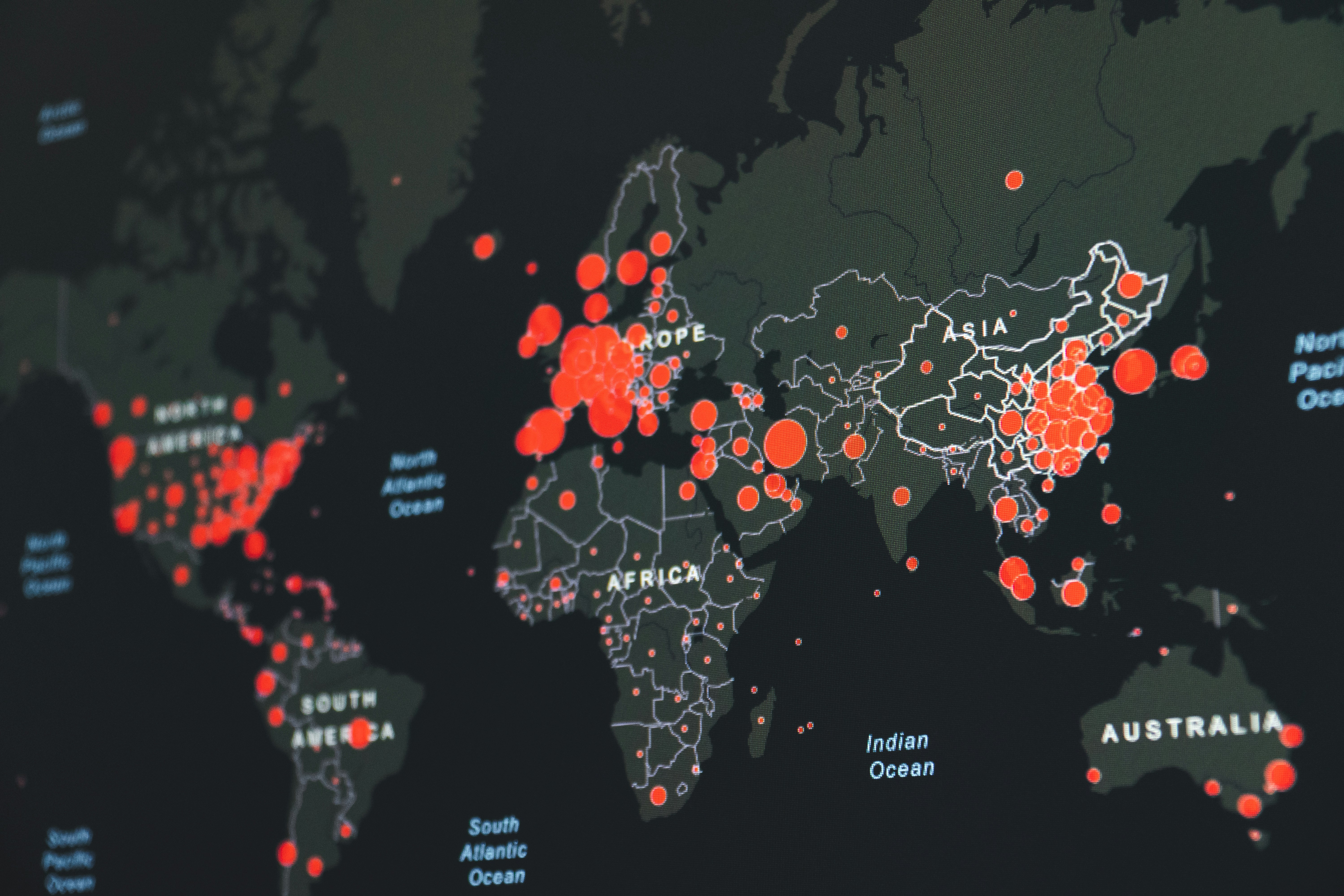
AI is driving global datacenter expansion and edge computing adoption. Learn how next-generation infrastructure supports scalable, low-latency AI workloads in 2026.

Enterprise AI adoption in 2026 is shifting from pilots to business-critical operations. Learn trends, challenges, and best practices.

CES 2026 is centered on AI, highlighting how smart devices and wearables will transform user experience.
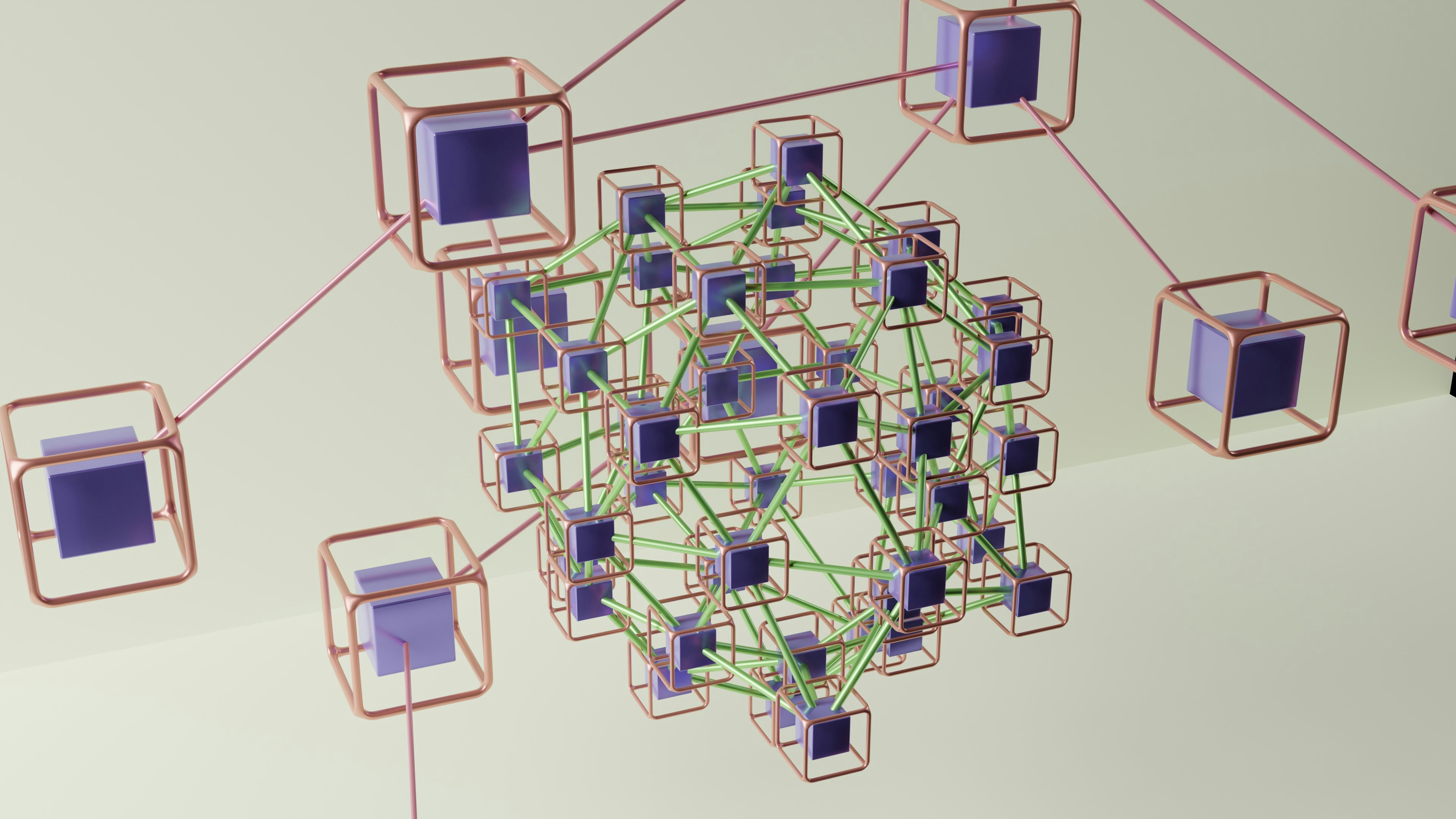
Explore how edge computing enables real-time AI applications and why distributed systems are becoming essential.

Discover how AI is reshaping healthcare operations, patient monitoring, and clinical decisions ethically and safely.

AI is transforming cybersecurity with real-time threat detection and automated defenses, but challenges remain.
Explore how GPT models enhance productivity tools for business operations and collaboration.
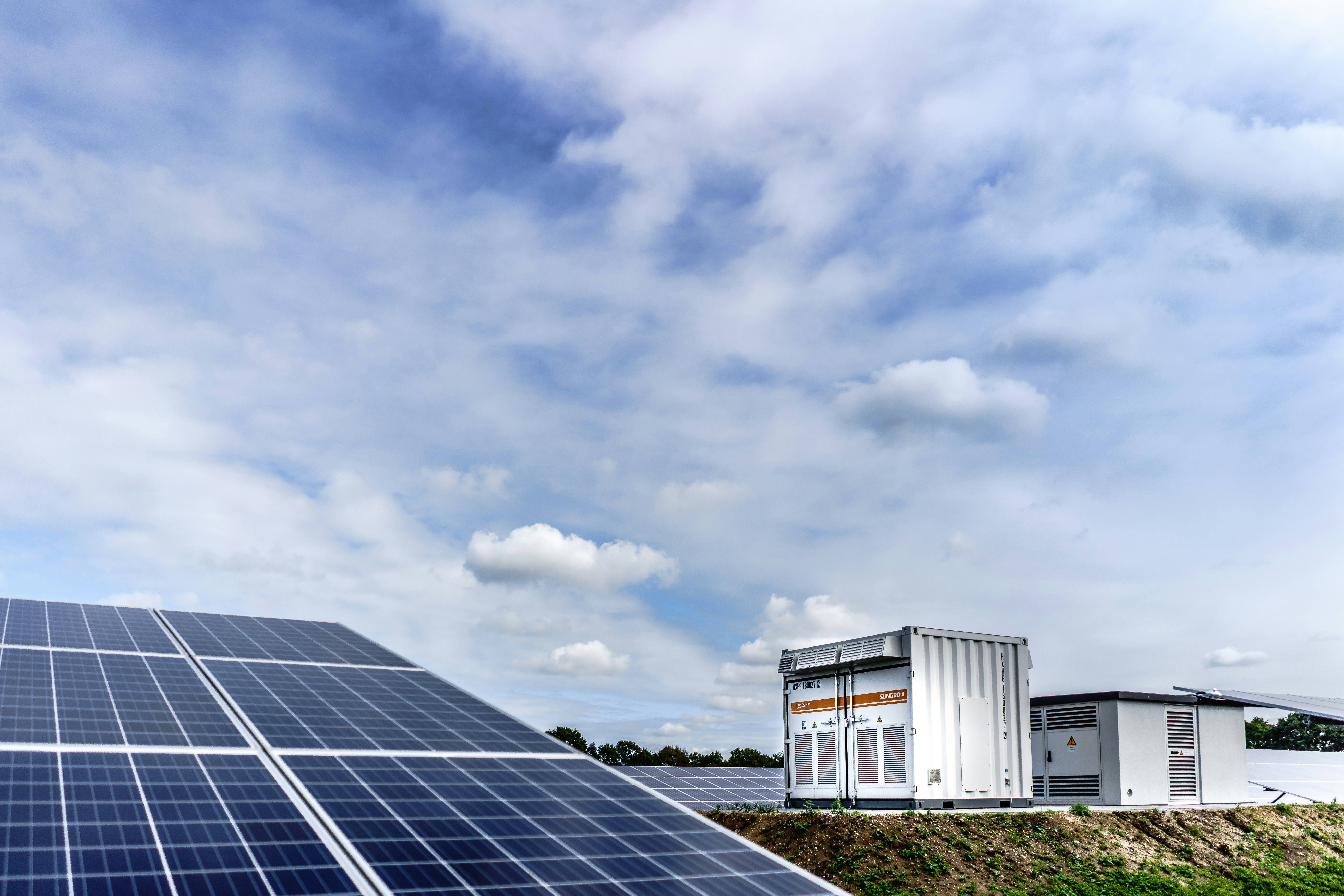
AI demand is driving sustainable data center innovation with renewable power and cooling technologies.

Discover consumer AI applications that streamline productivity, creativity, and daily routines.

AI ethics frameworks and regulatory trends shape how organizations innovate responsibly with intelligent systems.

Enterprise AI adoption in 2026 is moving beyond pilot programs into core business infrastructure. Learn where companies see real gains and what challenges remain.