Consumer-facing AI applications have existed for years, but adoption remained uneven. In 2026, several factors are converging to push AI firmly into everyday digital habits: improved on-device processing, better interfaces, and growing user familiarity with intelligent systems.
Unlike earlier generations of consumer software, modern AI applications focus less on novelty and more on practical value. Users increasingly expect AI to save time, reduce friction, and adapt naturally to personal preferences.

AI-powered productivity tools now go beyond reminders and task lists. Many applications actively organize schedules, summarize communications, and prioritize tasks based on behavioral patterns rather than static rules.
From an efficiency standpoint, these tools reduce cognitive load. Users spend less time managing systems and more time executing meaningful work, a subtle but impactful shift in digital behavior.
Creative professionals and casual users alike are adopting AI for writing, design, and media production. Rather than replacing creativity, AI functions as an accelerator—generating drafts, variations, and conceptual starting points.
The most successful creative AI tools emphasize user control. Outputs are adjustable, transparent, and designed to complement human judgment rather than override it.

As consumer AI applications become more embedded in daily routines, privacy concerns grow in parallel. Users are increasingly attentive to how data is collected, stored, and processed.
Applications that clearly communicate permissions and allow meaningful control over data usage tend to earn higher trust. In contrast, opaque systems face resistance regardless of technical sophistication.
The long-term success of consumer AI will depend less on raw capability and more on reliability, trust, and integration. Applications that quietly improve daily life without demanding attention are likely to define the next phase of adoption.
By 2026, consumer AI is no longer experimental—it is becoming an expected layer of modern digital experiences.

CES 2026 highlights how AI is transforming consumer technology, from wearables to smart home systems, shaping more intuitive and personalized user experiences.
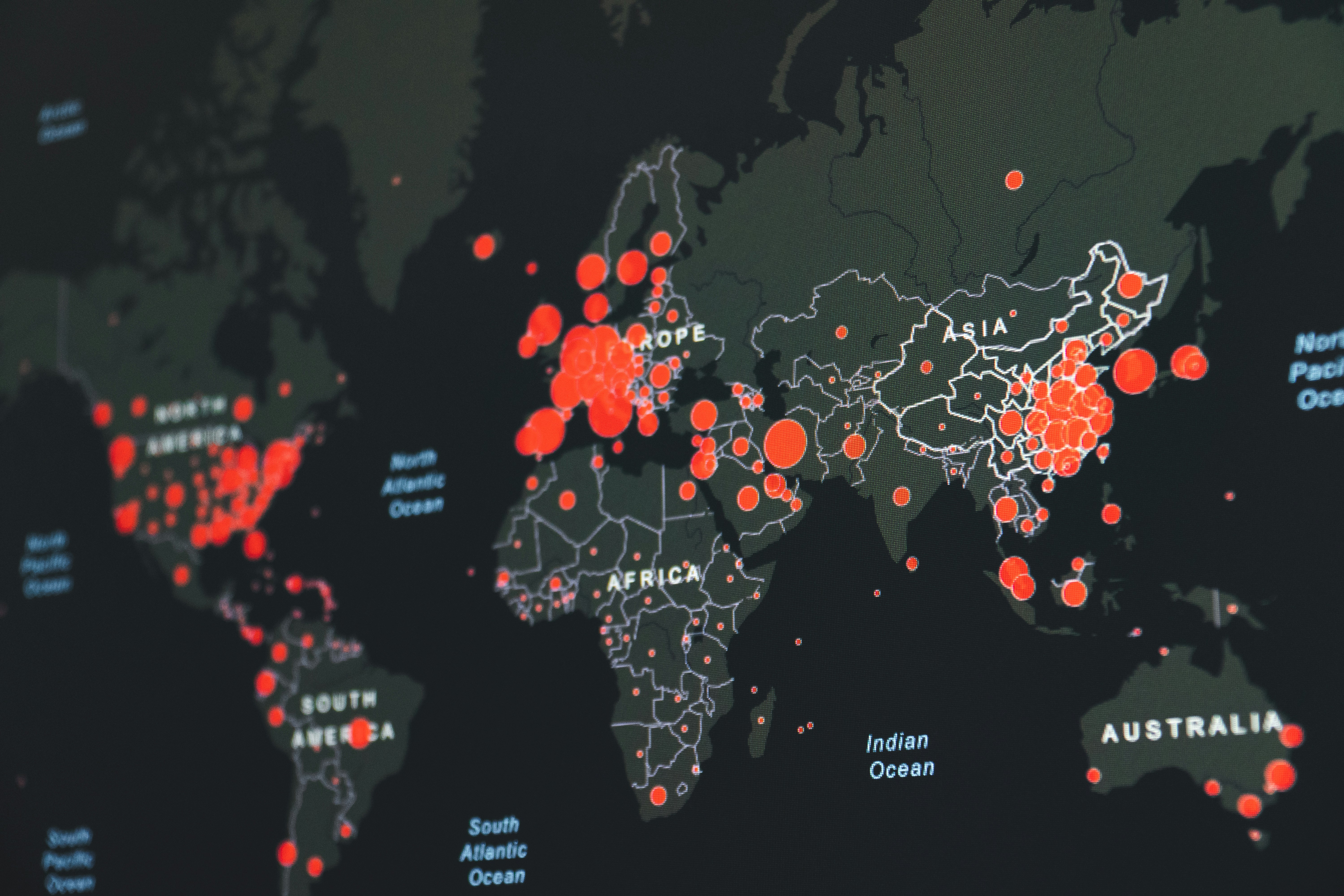
AI is driving global datacenter expansion and edge computing adoption. Learn how next-generation infrastructure supports scalable, low-latency AI workloads in 2026.

Enterprise AI adoption in 2026 is shifting from pilots to business-critical operations. Learn trends, challenges, and best practices.

CES 2026 is centered on AI, highlighting how smart devices and wearables will transform user experience.
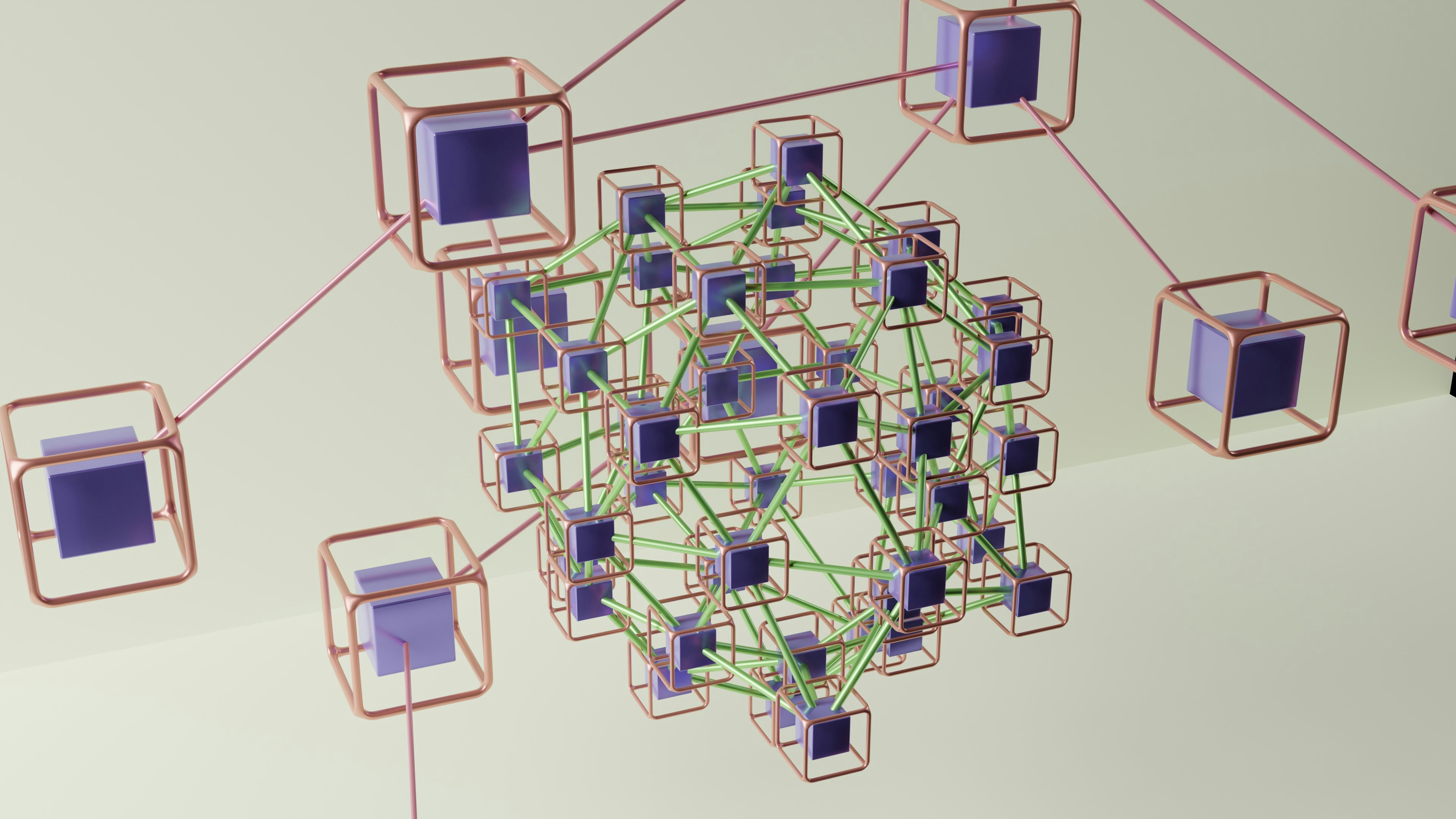
Explore how edge computing enables real-time AI applications and why distributed systems are becoming essential.

Discover how AI is reshaping healthcare operations, patient monitoring, and clinical decisions ethically and safely.

AI is transforming cybersecurity with real-time threat detection and automated defenses, but challenges remain.
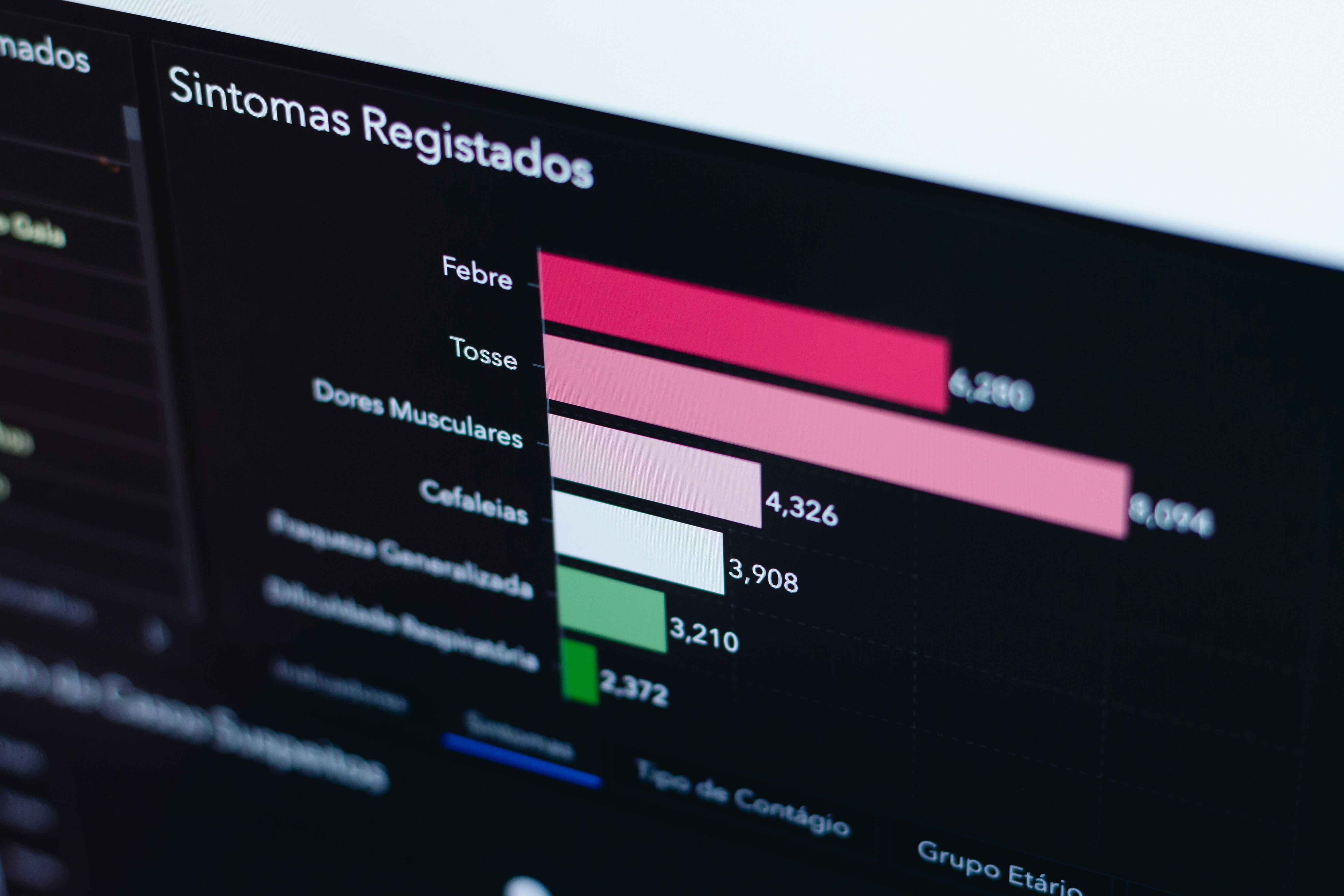
Explore how GPT models enhance productivity tools for business operations and collaboration.

AI demand is driving sustainable data center innovation with renewable power and cooling technologies.
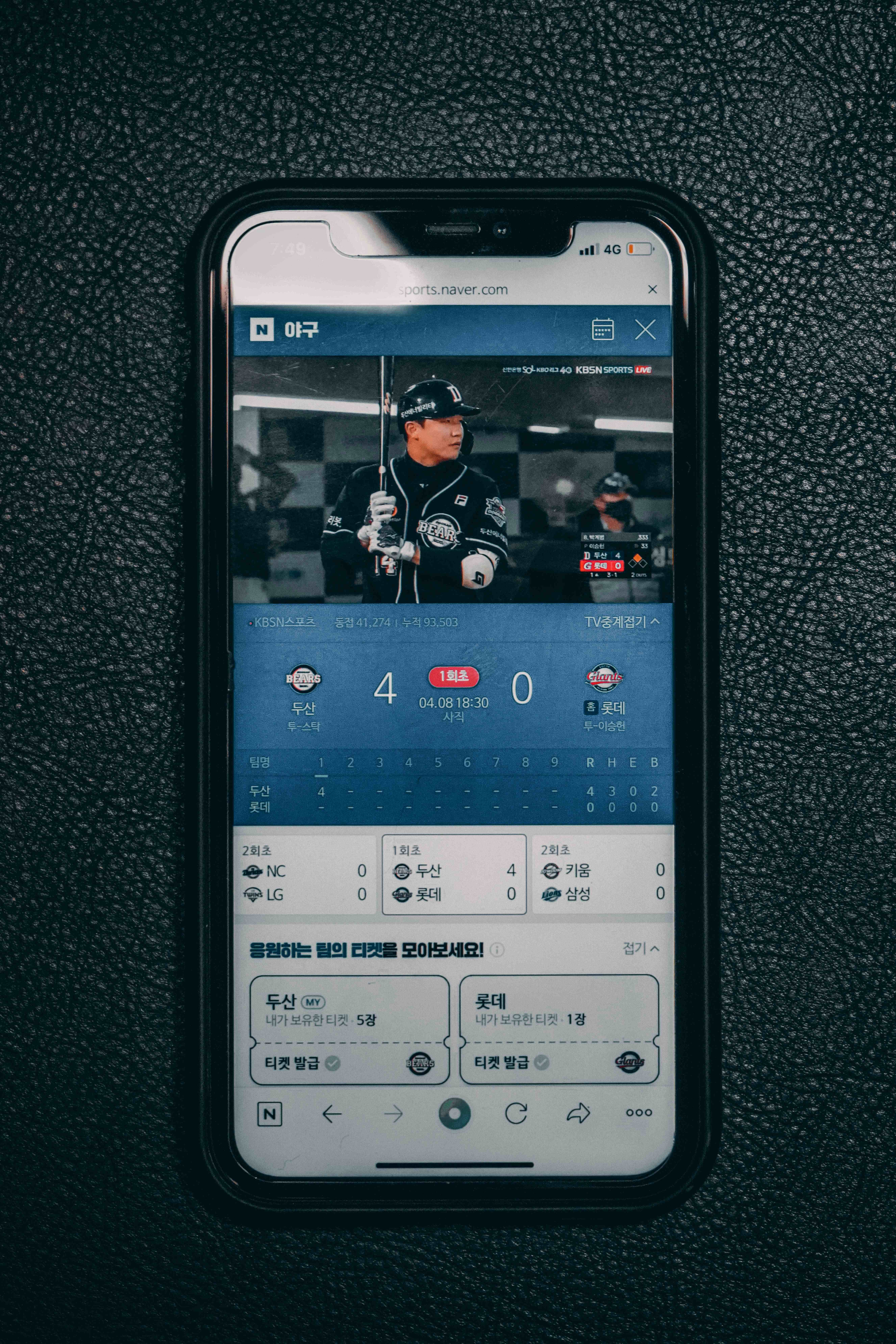
Discover consumer AI applications that streamline productivity, creativity, and daily routines.

AI ethics frameworks and regulatory trends shape how organizations innovate responsibly with intelligent systems.

Enterprise AI adoption in 2026 is moving beyond pilot programs into core business infrastructure. Learn where companies see real gains and what challenges remain.