An AI image generator is a tool that creates images based on text prompts using artificial intelligence. Instead of drawing manually, users describe what they want, and the AI generates a visual result within seconds.
These tools are widely used in design, marketing, social media, game development, and content creation.

AI image generators are usually powered by diffusion models or transformer-based neural networks.
The basic process includes:
1. The user enters a text prompt
2. The AI converts text into numerical representations
3. The model generates an image step by step
4. The final image is refined and output
Modern AI models are trained on millions of image–text pairs, allowing them to understand styles, objects, lighting, and composition.
• Marketing visuals and ad creatives
• Social media content
• Website illustrations
• Game assets and characters
• Concept art and storyboards
AI image generation significantly reduces cost and production time.
Some popular AI image generators include:
• Text-to-image web tools
• Open-source AI image models
• API-based AI image services
Each tool differs in image quality, speed, customization, and pricing.
Yes. AI-generated images can improve:
• Page engagement
• Visual storytelling
• Conversion rates
However, images should always match user intent and be optimized with proper alt text.
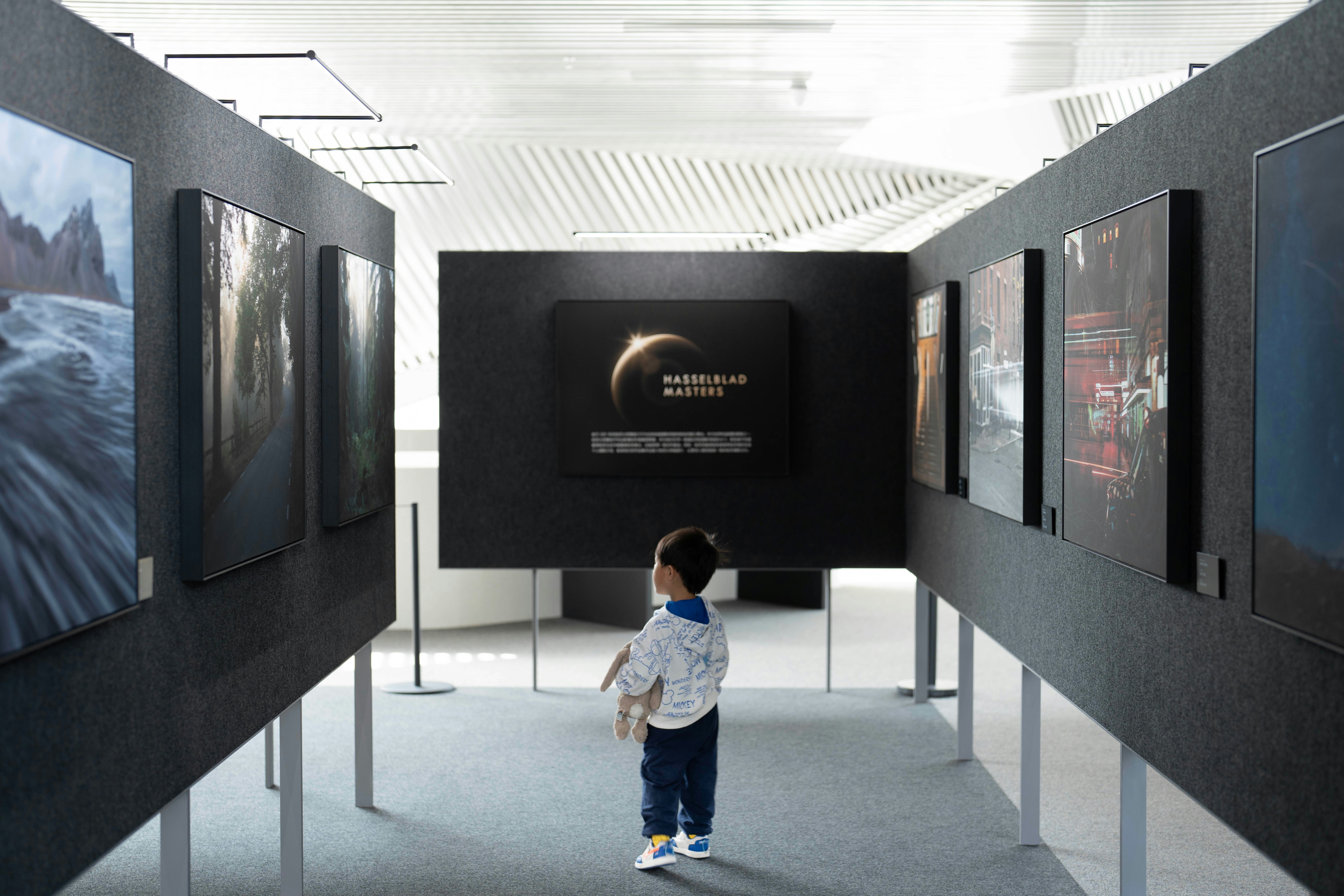
CES 2026 highlights how AI is transforming consumer technology, from wearables to smart home systems, shaping more intuitive and personalized user experiences.
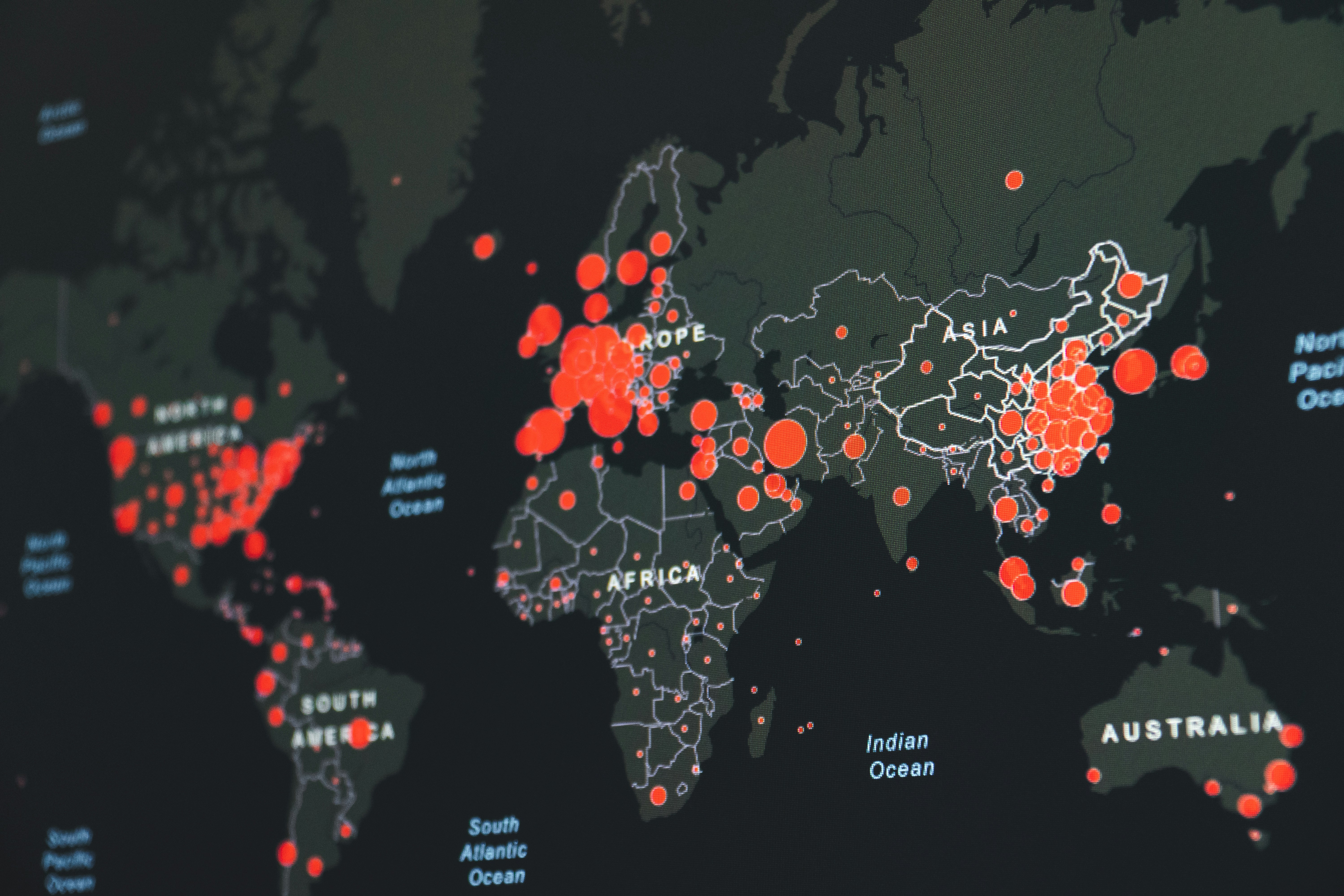
AI is driving global datacenter expansion and edge computing adoption. Learn how next-generation infrastructure supports scalable, low-latency AI workloads in 2026.

Enterprise AI adoption in 2026 is shifting from pilots to business-critical operations. Learn trends, challenges, and best practices.

CES 2026 is centered on AI, highlighting how smart devices and wearables will transform user experience.
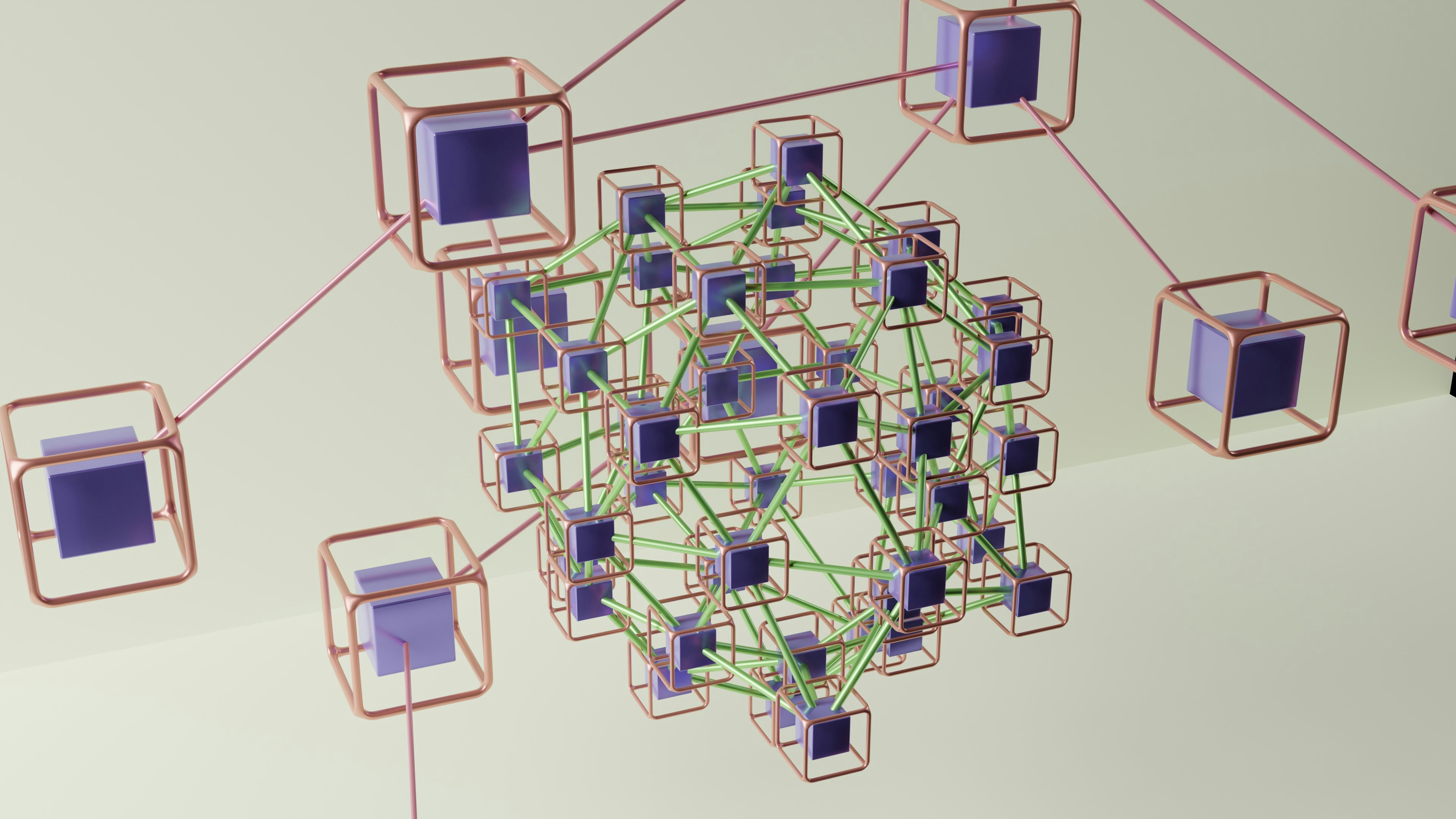
Explore how edge computing enables real-time AI applications and why distributed systems are becoming essential.

Discover how AI is reshaping healthcare operations, patient monitoring, and clinical decisions ethically and safely.

AI is transforming cybersecurity with real-time threat detection and automated defenses, but challenges remain.
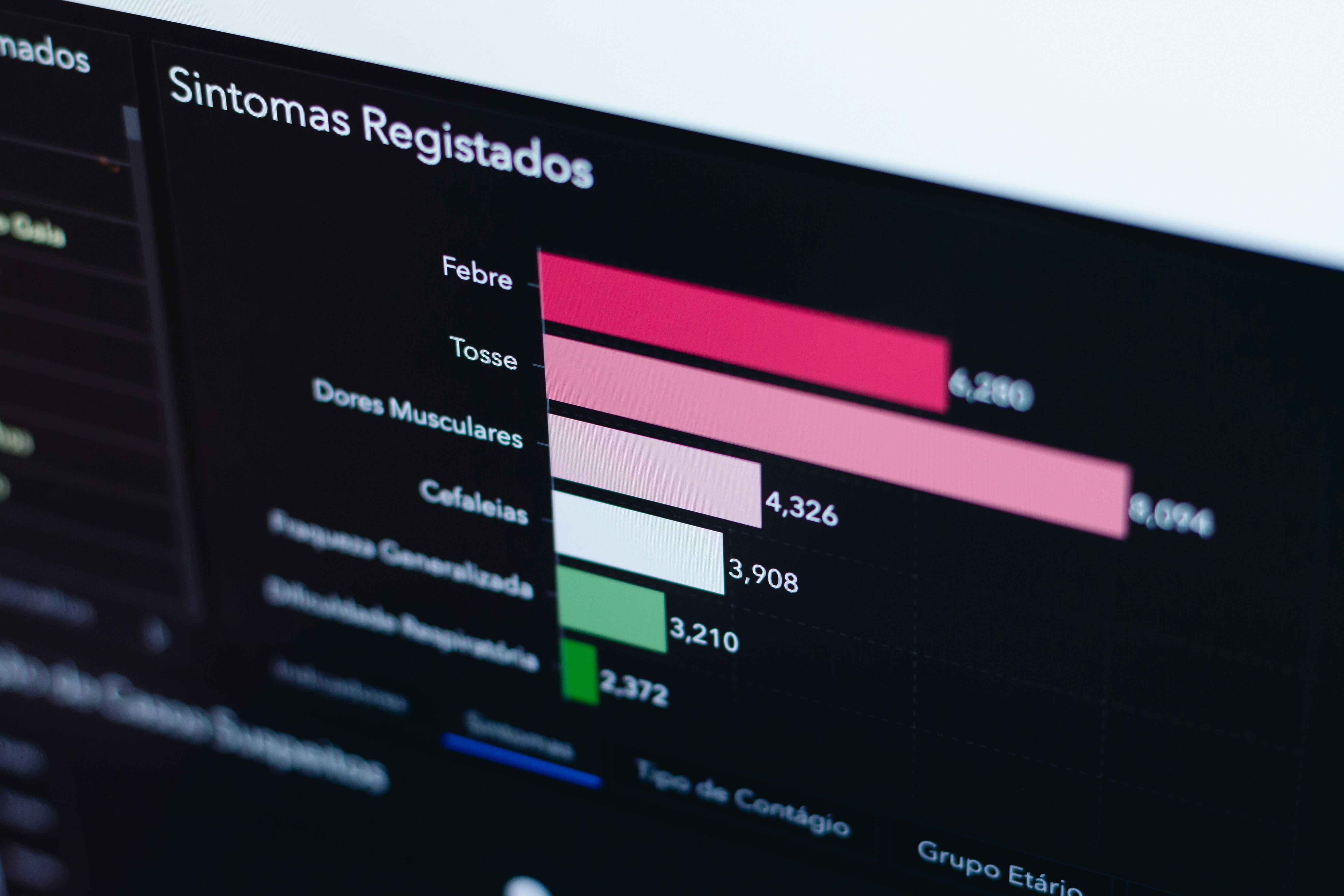
Explore how GPT models enhance productivity tools for business operations and collaboration.
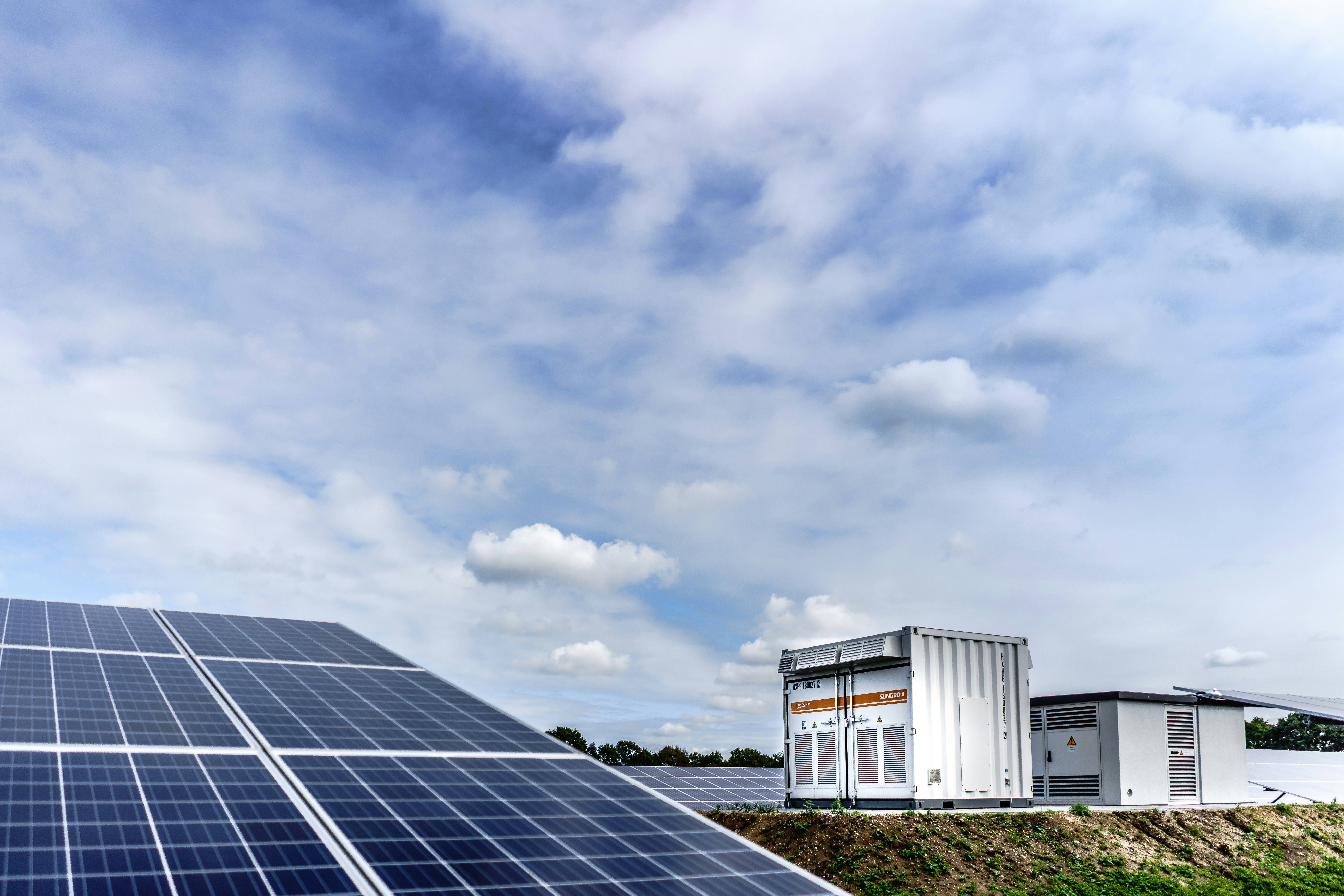
AI demand is driving sustainable data center innovation with renewable power and cooling technologies.

Discover consumer AI applications that streamline productivity, creativity, and daily routines.

AI ethics frameworks and regulatory trends shape how organizations innovate responsibly with intelligent systems.

Enterprise AI adoption in 2026 is moving beyond pilot programs into core business infrastructure. Learn where companies see real gains and what challenges remain.