Advertisement
As artificial intelligence models grow larger and more complex, general-purpose CPUs and traditional computing architectures are struggling to deliver the performance required for training and inference at scale. In response, the industry has accelerated development of specialized AI hardware designed for specific workloads, such as tensor processing units (TPUs), neural processing units (NPUs), and dedicated AI accelerators.
These AI-focused chips significantly outperform general-purpose chips on matrix multiplication and parallel computations—key operations in deep learning. For enterprise and cloud infrastructure providers, this means greater throughput and lower energy costs per operation. This shift isn’t just about speed; it’s about enabling new classes of real-time AI applications that previously weren’t feasible.
While GPUs retain dominance in many AI workflows due to their mature software ecosystems, emerging architectures are redefining performance expectations. Custom silicon designs can integrate AI processing closer to memory, reducing data movement overhead. These advancements are particularly beneficial in edge computing scenarios, where power efficiency and thermal constraints are critical.
Companies such as Amazon, Google, and Nvidia themselves are designing application-specific AI silicon that accelerates particular classes of workloads—whether it be recommendation systems, natural language processing, or computer vision tasks.
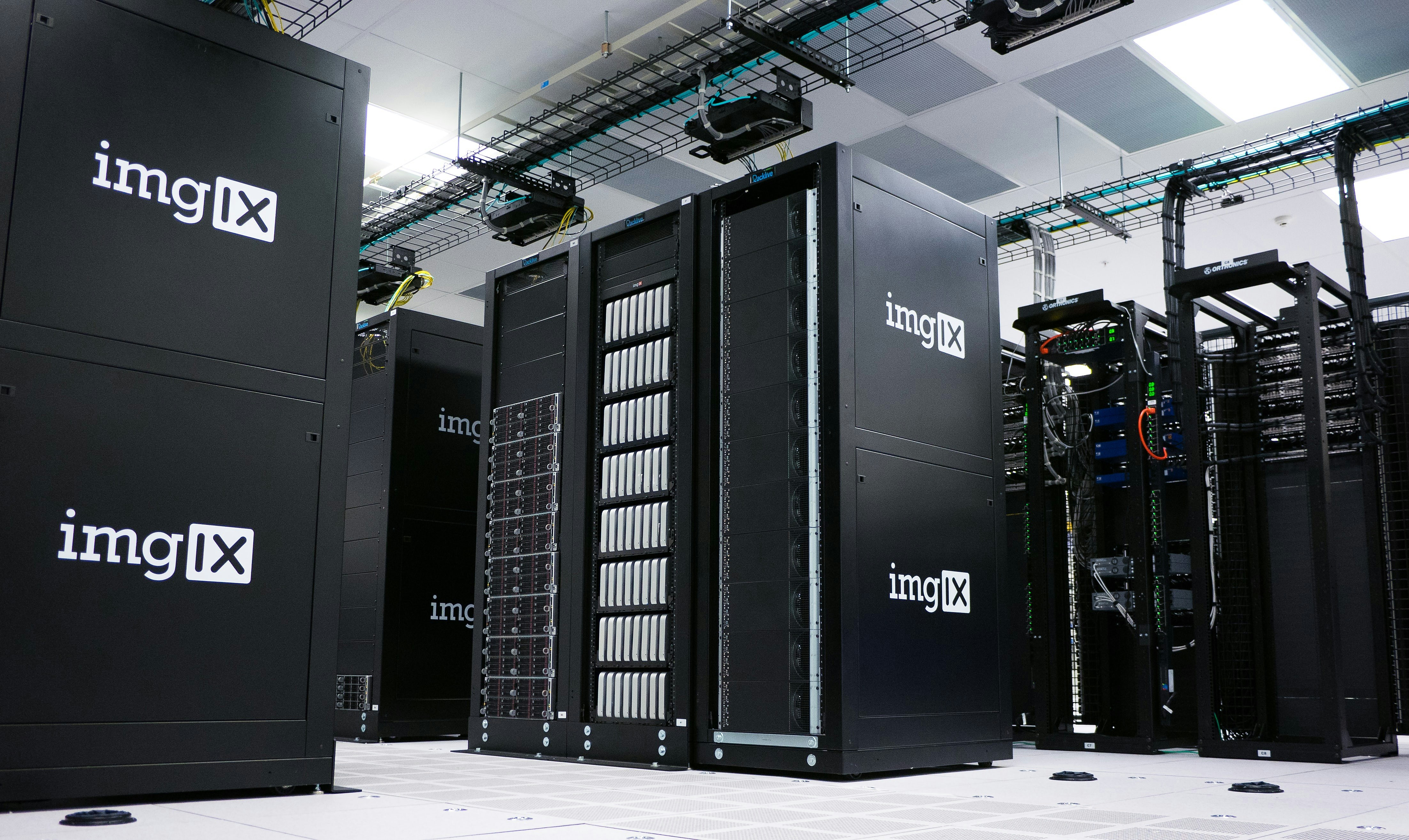
AI hardware innovation is not purely technical; it’s deeply tied to global supply chains and manufacturing capabilities. Advanced semiconductor fabrication facilities are concentrated in specific regions of the world, leading to geopolitical risks and potential bottlenecks. Diversifying production and securing long-term fabrication contracts are strategies being adopted by major technology companies to ensure supply continuity.
Furthermore, the capital investment required for cutting-edge chip production is immense, which is driving partnerships and mergers in the semiconductor industry.
As data centers and AI compute clusters expand, energy consumption has become a focal concern. Specialized AI hardware that delivers greater compute per watt is not only cost-effective but is also aligned with sustainability goals. In 2026, hardware vendors increasingly emphasize performance per watt metrics as competitive differentiators.
Organizations that deploy energy-efficient AI silicon can reduce operational costs and align with corporate sustainability commitments, which are increasingly important for investors and regulators alike.
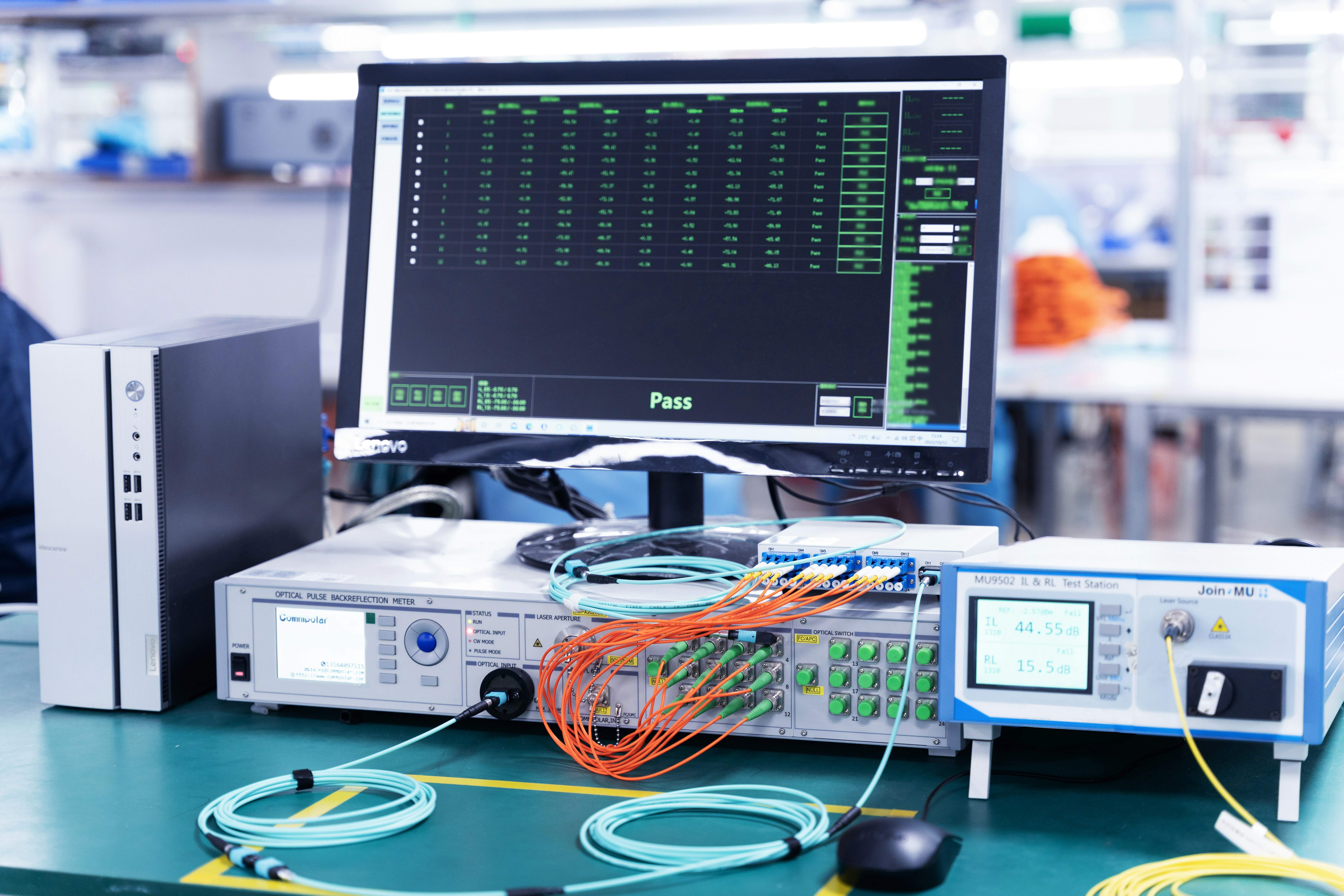
Looking ahead, the future of AI hardware lies in hybrid models that combine centralized high-performance compute with distributed edge AI capabilities. An ecosystem of optimized processors, unified software frameworks, and scalable fabrication will shape how artificial intelligence scales across industries.

CES 2026 highlights how AI is transforming consumer technology, from wearables to smart home systems, shaping more intuitive and personalized user experiences.

AI is driving global datacenter expansion and edge computing adoption. Learn how next-generation infrastructure supports scalable, low-latency AI workloads in 2026.

Enterprise AI adoption in 2026 is shifting from pilots to business-critical operations. Learn trends, challenges, and best practices.

CES 2026 is centered on AI, highlighting how smart devices and wearables will transform user experience.
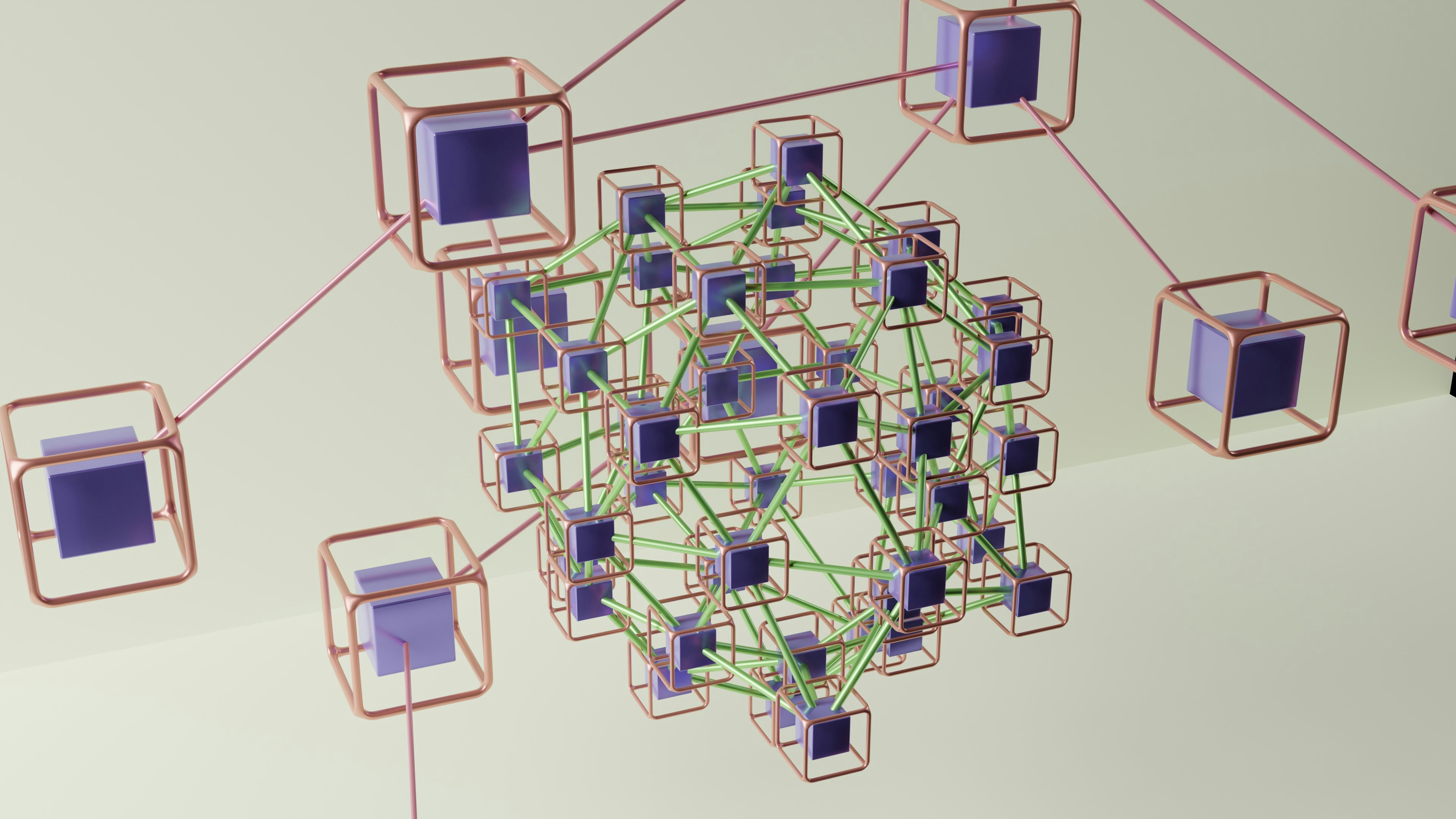
Explore how edge computing enables real-time AI applications and why distributed systems are becoming essential.
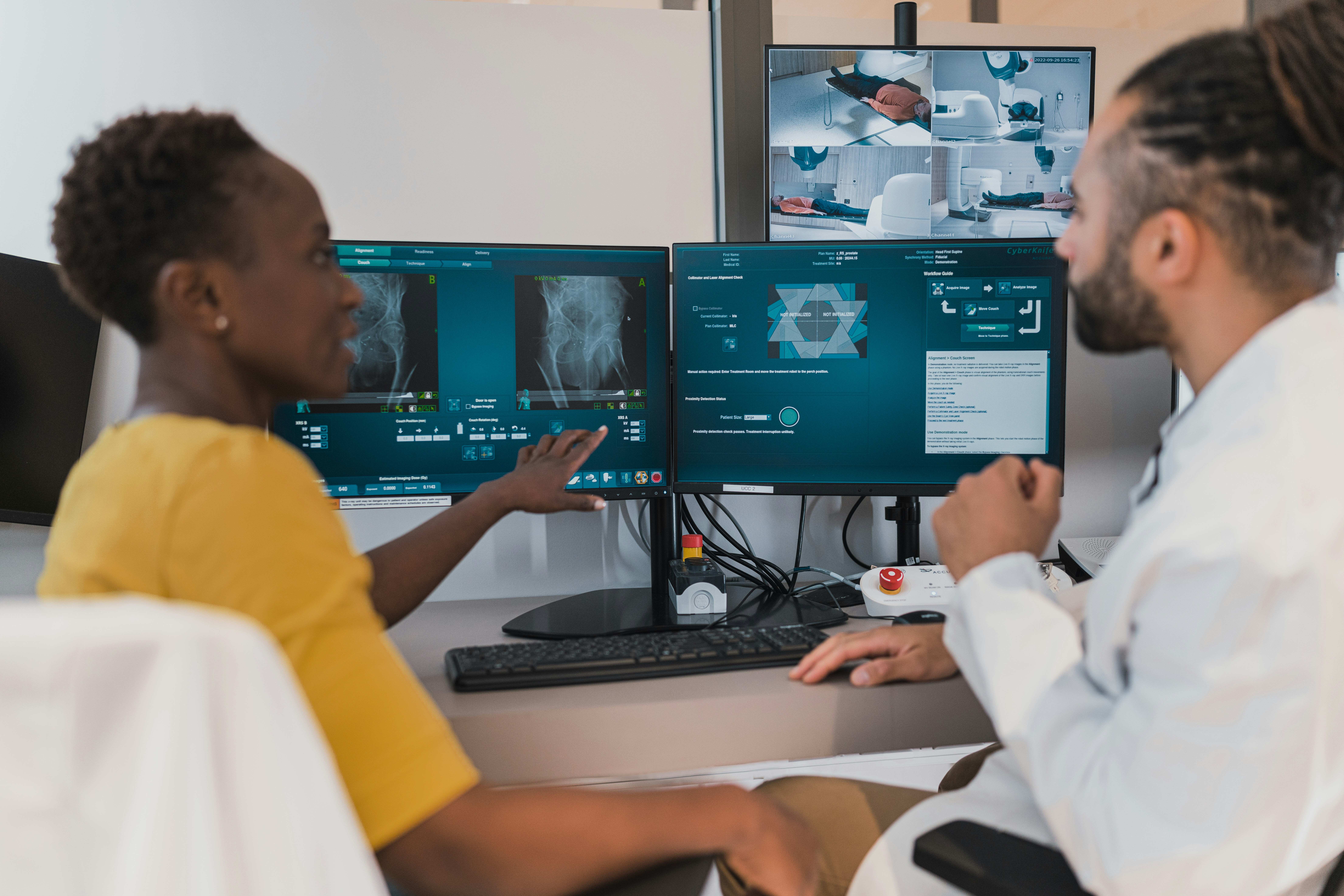
Discover how AI is reshaping healthcare operations, patient monitoring, and clinical decisions ethically and safely.

AI is transforming cybersecurity with real-time threat detection and automated defenses, but challenges remain.

Explore how GPT models enhance productivity tools for business operations and collaboration.

AI demand is driving sustainable data center innovation with renewable power and cooling technologies.

Discover consumer AI applications that streamline productivity, creativity, and daily routines.

AI ethics frameworks and regulatory trends shape how organizations innovate responsibly with intelligent systems.

Enterprise AI adoption in 2026 is moving beyond pilot programs into core business infrastructure. Learn where companies see real gains and what challenges remain.