A Blue Origin rocket will soon launch carrying an unconventional passenger in a history-making moment made possible by a high-profile former employee of the company’s biggest rival.
Michaela Benthaus, an aerospace and mechatronics engineer at the European Space Agency, will be aboard the mission, known as NS-37, and become the first wheelchair user to travel to space. The unprecedented opportunity came together after encounter between Benthaus and Hans Koenigsmann, a former executive at SpaceX — Blue Origin’s chief competitor.
Koenigsmann, like Benthaus, is German, and the two of them were chatting during an event in Munich last year when Benthaus wondered aloud if she would ever be able to realize her dream of spaceflight in spite of a spinal cord injury that had left her unable to walk.
Koenigsmann then began quietly conspiring to make it happen.
“She said she was only thinking about a suborbital flight,” Koenigsmann told CNN on Monday. While SpaceX offers multimillion-dollar rides to Earth orbit, Blue Origin offers brief trips to suborbital space, so Koenigsmann called up his former competitor. “They responded really, really well to us,” he said.
Koenigsmann and Benthaus will fly as a team, alongside four other passengers, aboard Blue Origin’s New Shepard rocket. Similar flights have so far carried more than 80 people, including Blue Origin founder Jeff Bezos, singer Katy Perry and famed “Star Trek” actor William Shatner, on 10-minute trips to the edge of space — traveling high enough to surpass the Kármán Line, which is a common demarcation line for space that lies 100 kilometers (62 miles) above sea level.
“When Hans told me, ‘Blue is excited about this,’ I was like, ‘Are you sure? Are you sure you understood them correctly?’” Benthaus told CNN Tuesday. “I always wanted to go to space, but I never really considered it something which I could actually do.”
The crew was originally expected to launch Thursday from Blue Origin’s facilities near the remote town of Van Horn, Texas. But the company opted to stand down from the launch attempt because of an “issue with built-in checks.” Blue Origin has since confirmed it will make another flight attempt Saturday at 8:15 a.m. CT (9:15 a.m. ET).
During the brief, suborbital flight, Koenigsmann will serve as Benthaus’ companion — ready to step in to assist her if the need arises.
Benthaus expects to be able to carry out many flight operations herself. She can enter and exit the 15-foot-wide New Shepard capsule on her own, using a small bench.
Benthaus also said she plans to use a strap to keep her legs bound together — preventing them from splaying wildly as passengers exit their seats to briefly float in weightlessness at the top of the flight path. (Blue Origin flights typically offer passengers three or four minutes of zero gravity.)
She told CNN she hoped to be able to return to her seat without issue, though Koenigsmann is prepared to lend a hand.

Koenigsmann will also help Benthaus in the event of an emergency that requires a speedy exit from the spacecraft.
“Blue Origin is super well prepared,” Benthaus said, noting that she and Koenigsmann previously traveled to the company’s Texas facilities twice to hash out specific accommodations for this flight.
Advocates have long pointed out that space travel can be an ideal adventure for people with disabilities, as weightlessness can offer the chance to move about unbridled by gravity.
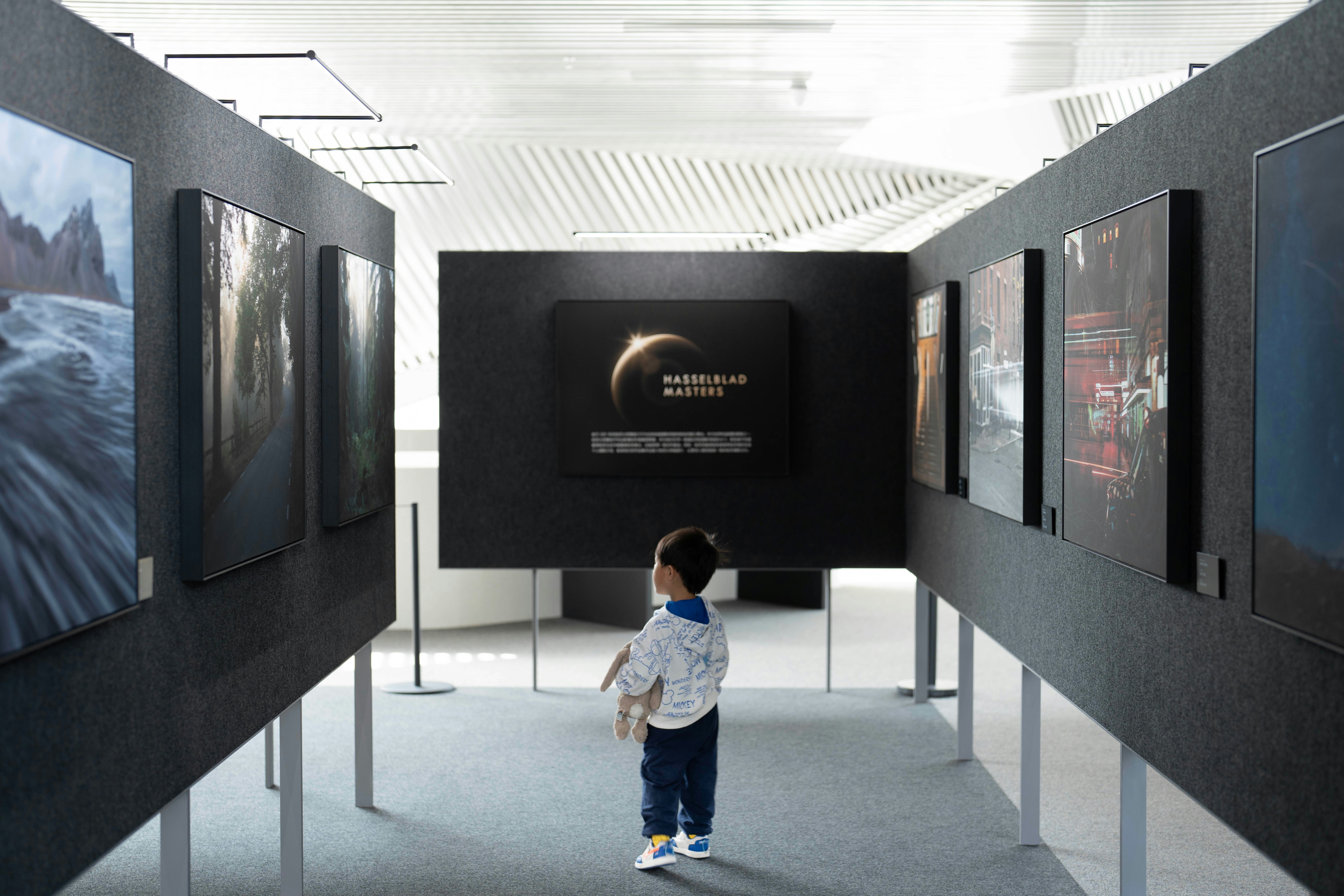
CES 2026 highlights how AI is transforming consumer technology, from wearables to smart home systems, shaping more intuitive and personalized user experiences.
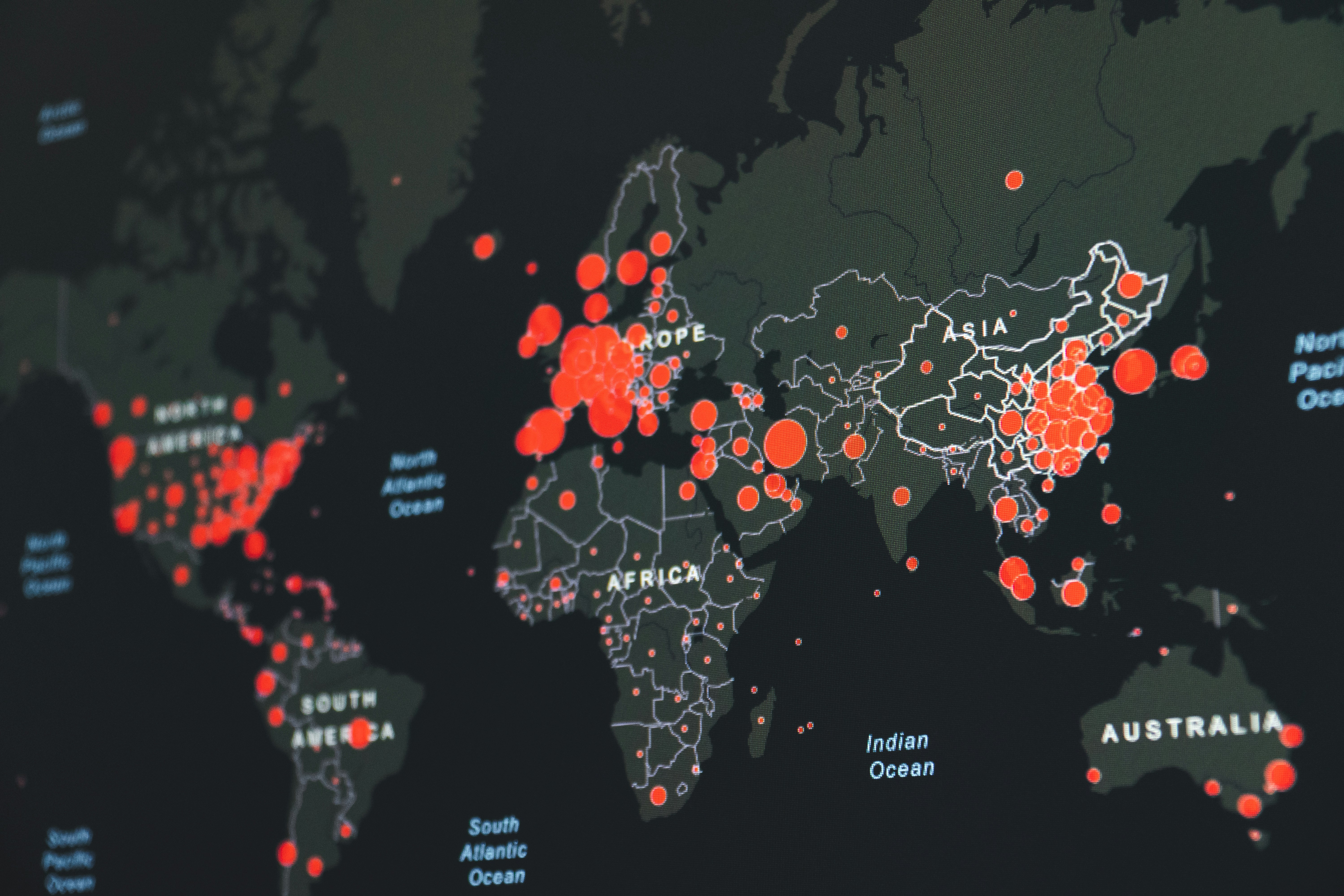
AI is driving global datacenter expansion and edge computing adoption. Learn how next-generation infrastructure supports scalable, low-latency AI workloads in 2026.
Enterprise AI adoption in 2026 is shifting from pilots to business-critical operations. Learn trends, challenges, and best practices.
CES 2026 is centered on AI, highlighting how smart devices and wearables will transform user experience.
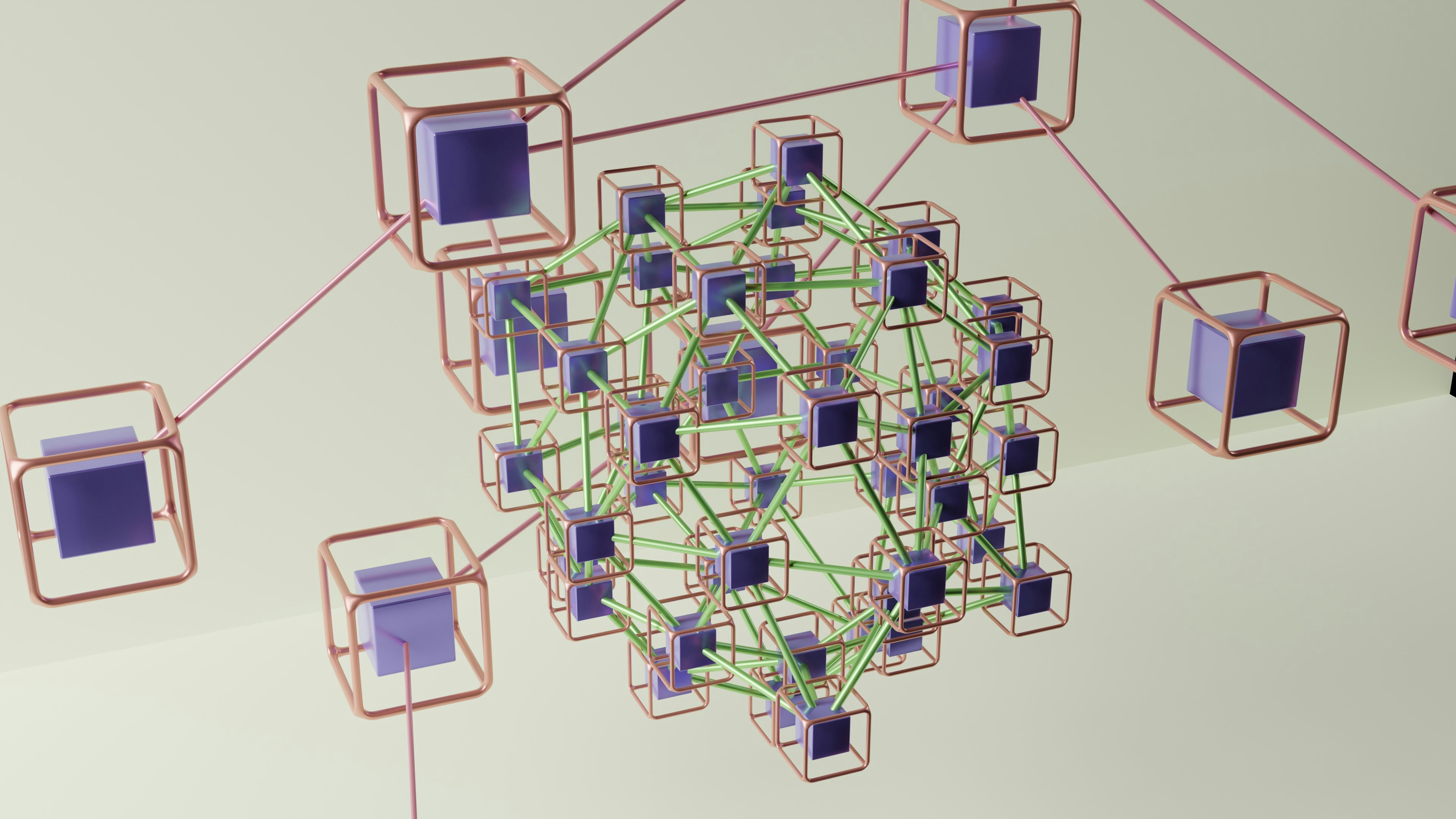
Explore how edge computing enables real-time AI applications and why distributed systems are becoming essential.
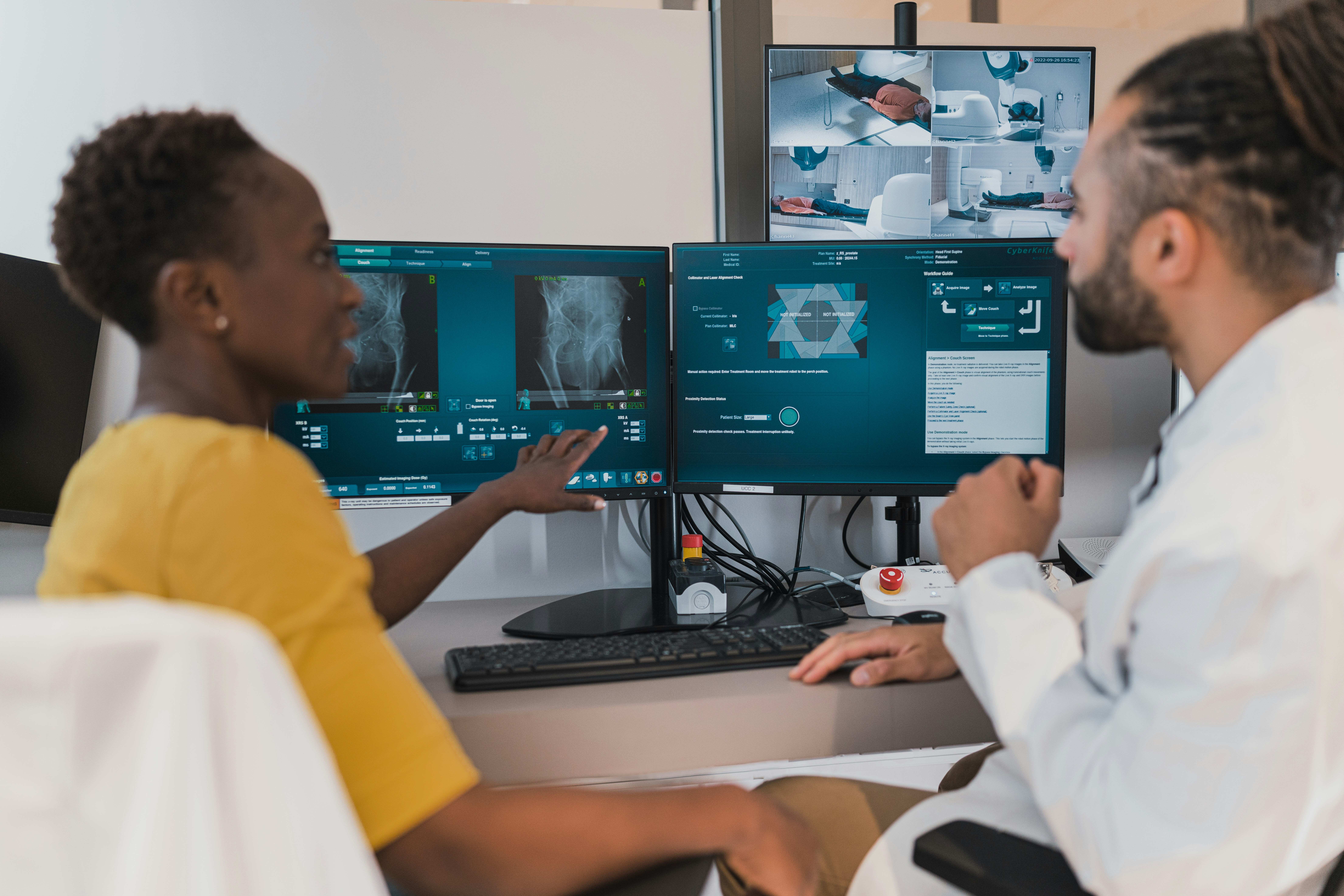
Discover how AI is reshaping healthcare operations, patient monitoring, and clinical decisions ethically and safely.
AI is transforming cybersecurity with real-time threat detection and automated defenses, but challenges remain.
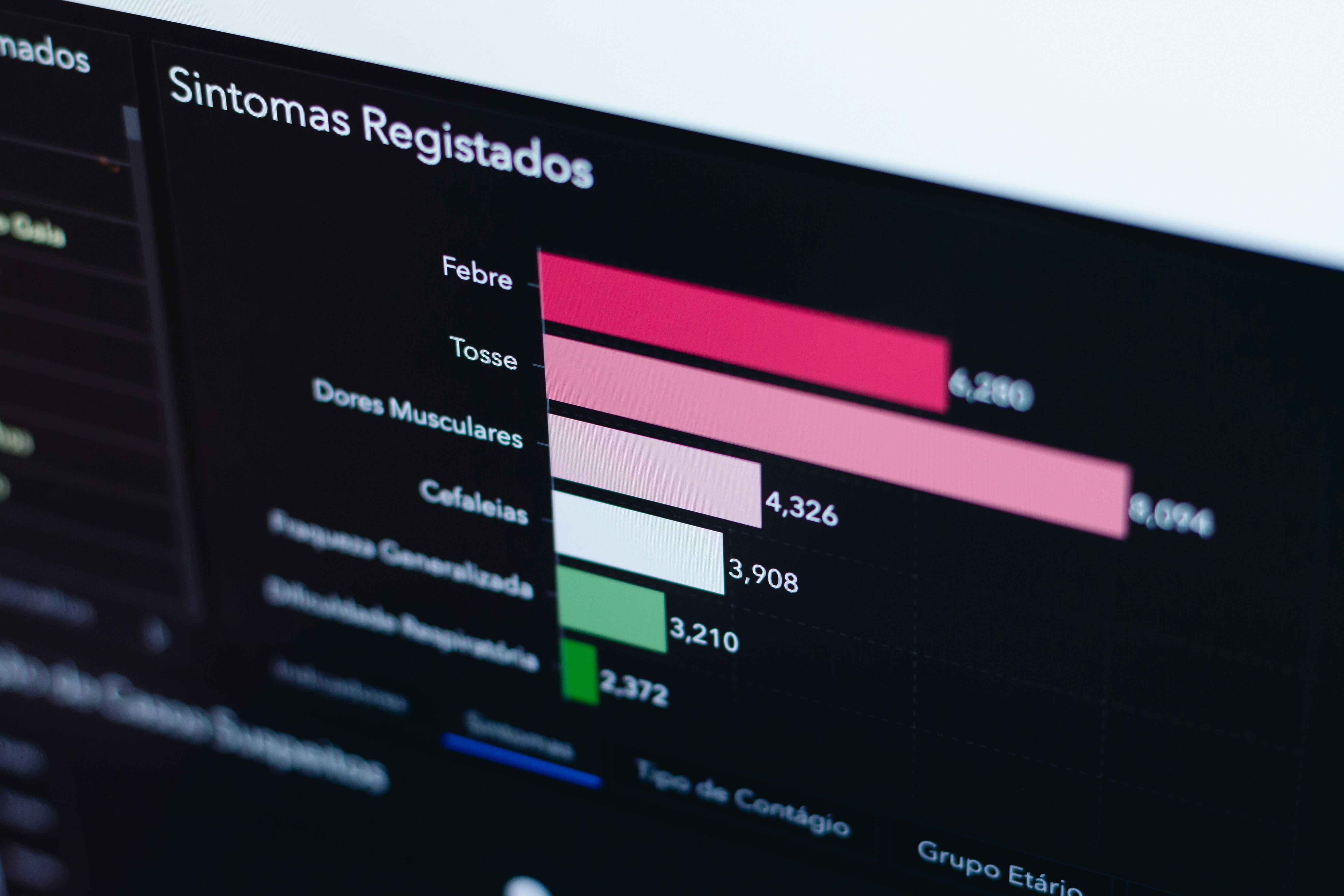
Explore how GPT models enhance productivity tools for business operations and collaboration.

AI demand is driving sustainable data center innovation with renewable power and cooling technologies.
Discover consumer AI applications that streamline productivity, creativity, and daily routines.

AI ethics frameworks and regulatory trends shape how organizations innovate responsibly with intelligent systems.

Enterprise AI adoption in 2026 is moving beyond pilot programs into core business infrastructure. Learn where companies see real gains and what challenges remain.