As AI models grow larger and more complex, traditional CPUs are no longer sufficient. Training and inference workloads require massive parallel processing, pushing organizations toward specialized AI hardware designed for efficiency and scale.
GPUs remain widely used, but newer accelerators are redefining performance expectations.
AI-specific chips optimize matrix operations and reduce energy consumption. These processors enable faster inference, lower latency, and better performance per watt, making advanced AI applications more accessible beyond hyperscale data centers.
Edge devices increasingly rely on compact AI chips to process data locally without cloud dependency.
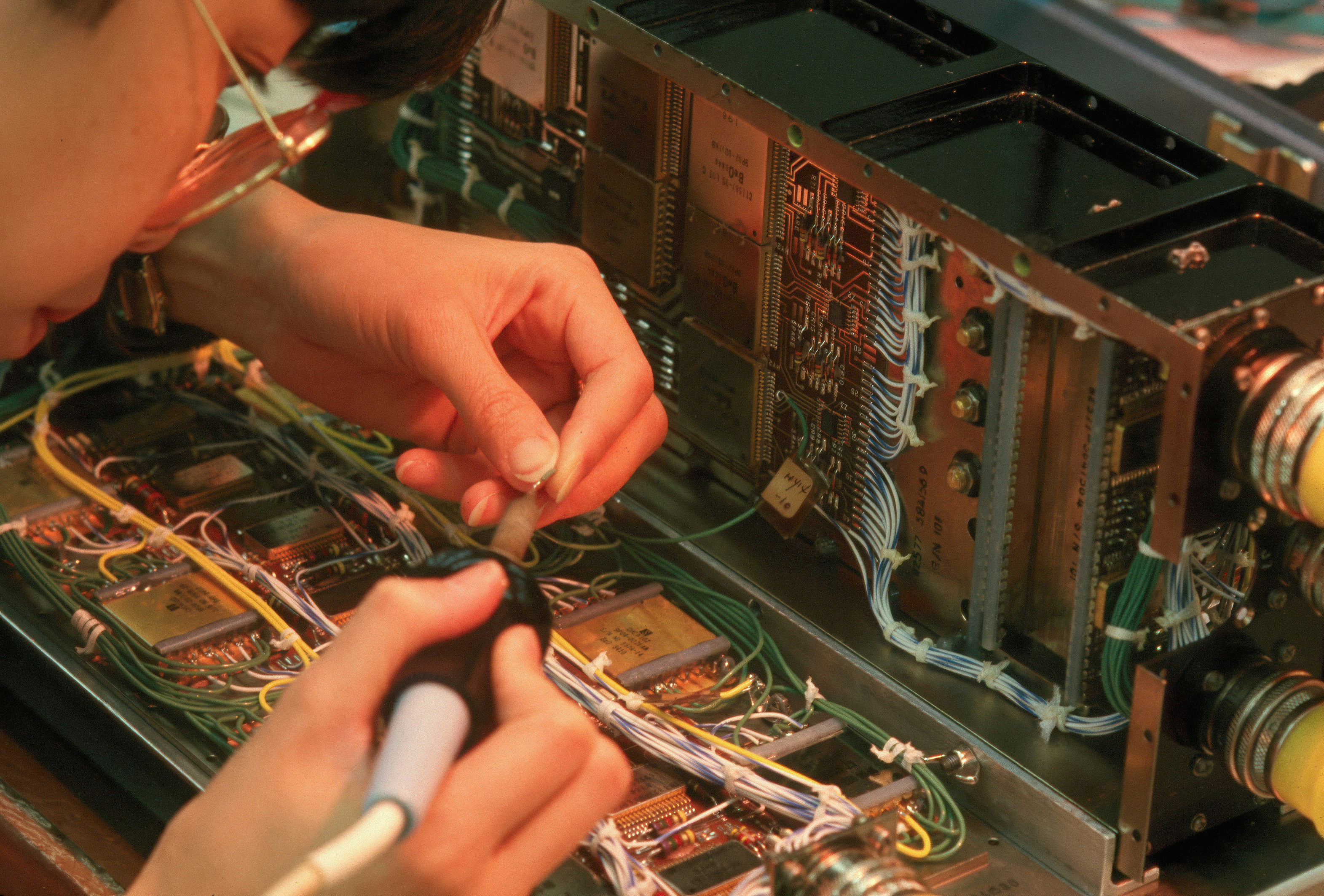
The demand for AI hardware has exposed vulnerabilities in global semiconductor supply chains. Advanced fabrication facilities are limited, driving companies to diversify suppliers and invest in long-term production capacity.
Geopolitical considerations now play a central role in AI hardware strategy.
Energy consumption has become a defining issue for AI infrastructure. Specialized chips offer significant improvements in efficiency, helping organizations meet sustainability targets while controlling operational costs.

Future AI hardware ecosystems will blend centralized compute with distributed edge processing, supported by unified software frameworks and optimized silicon.

CES 2026 highlights how AI is transforming consumer technology, from wearables to smart home systems, shaping more intuitive and personalized user experiences.

AI is driving global datacenter expansion and edge computing adoption. Learn how next-generation infrastructure supports scalable, low-latency AI workloads in 2026.

Enterprise AI adoption in 2026 is shifting from pilots to business-critical operations. Learn trends, challenges, and best practices.

CES 2026 is centered on AI, highlighting how smart devices and wearables will transform user experience.
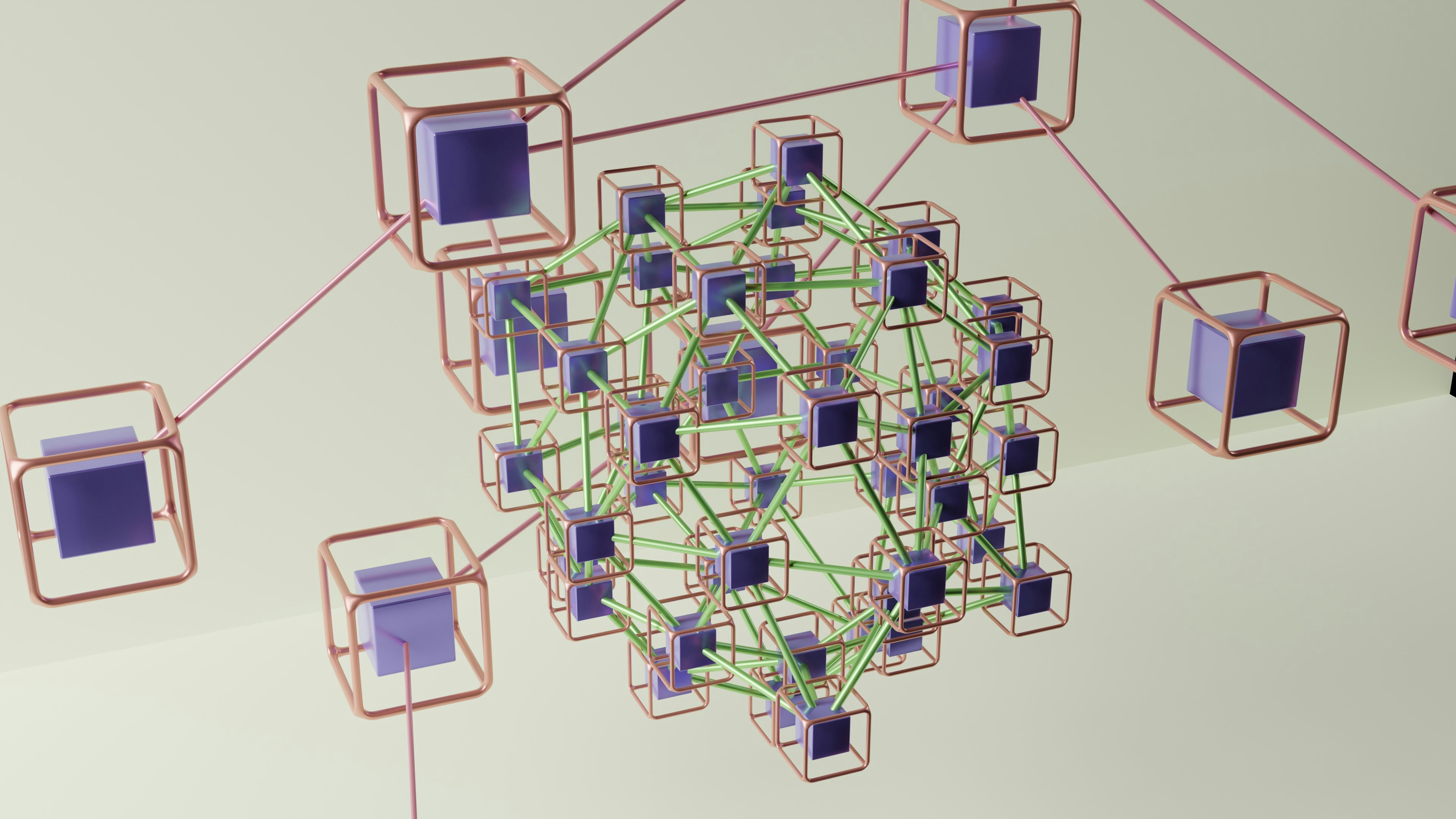
Explore how edge computing enables real-time AI applications and why distributed systems are becoming essential.

Discover how AI is reshaping healthcare operations, patient monitoring, and clinical decisions ethically and safely.

AI is transforming cybersecurity with real-time threat detection and automated defenses, but challenges remain.

Explore how GPT models enhance productivity tools for business operations and collaboration.

AI demand is driving sustainable data center innovation with renewable power and cooling technologies.

Discover consumer AI applications that streamline productivity, creativity, and daily routines.

AI ethics frameworks and regulatory trends shape how organizations innovate responsibly with intelligent systems.

Enterprise AI adoption in 2026 is moving beyond pilot programs into core business infrastructure. Learn where companies see real gains and what challenges remain.